
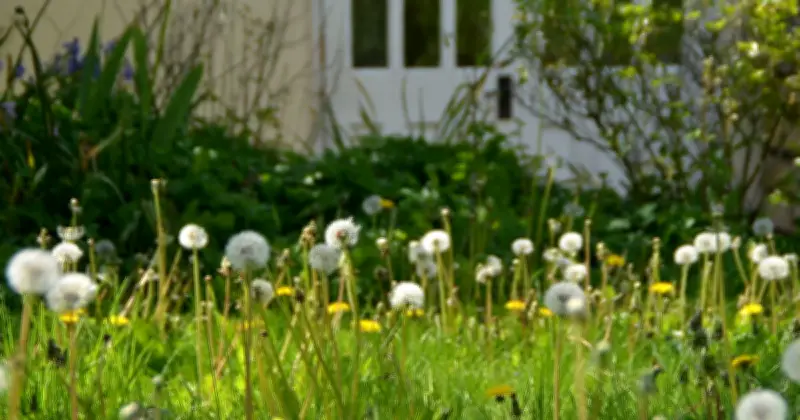
Britain's gardeners have endured a punishing summer, with a fourth heatwave in two months pushing temperatures consistently above 30C and leaving many outdoor spaces looking dry and bleached out.
According to Gardeners' World presenter Joe Swift, the phenomenon even has a name: 'the August colour gap'. Writing in the Daily Telegraph, he explained that while gardens typically reach peak colour in spring and early summer, by August they can appear "dry, dormant and bleached out" – a problem worsened this year by drought conditions and hosepipe bans across many areas.
Swift's suggested antidote is to grow daisies. As it is "too soon" for autumnal colours, he recommends daisies, particularly North American native species such as black-eyed Susan and coneflower. These American prairie plants work "wonderfully alongside ornamental grasses in a loose, naturalistic style", he wrote.
He added: "Once established, some daisy species (especially those two) are drought-tolerant, which makes them a good choice considering the way British summers are heading."
Swift, who has been on the Gardeners' World team since 1998, also highlighted the benefits for pollinators, saying: "Their open, honest flowers are easily accessible to pollinators, with the common characteristics being ray florets, petallike structures arranged around a centre (capitula) of disc florets, where the small tubular flowers are clustered."
How to protect your lawn in the heat
It comes after another gardening expert offered advice on keeping lawns green during hot spells. John Cho, founder of MyCozyPlant, told Good Housekeeping: "Taller grass blades act as a natural shade for the soil. If you cut it too short right before a hot spell, the sun bakes the dirt and damages the roots. If you do cut your lawn just before a heatwave, it's important that you do so at the highest height setting."
Experts say that while a lawn may look less tidy for a short period, keeping the grass longer will help protect it in the long run. Watering can also help, provided it is done correctly – both timing and amount matter.
Hugh Barlow, head of commercial at East Riding Horticulture, said: "In dry weather, resist the temptation to water your lawn daily. Established lawns benefit the most from infrequent, deep watering. Water once or twice a week and aim to give your grass approximately 25mm of water in total. Deep and infrequent watering encourages the grass roots to grow deeper into the soil in search of moisture, which can improve the overall health of your lawn."




