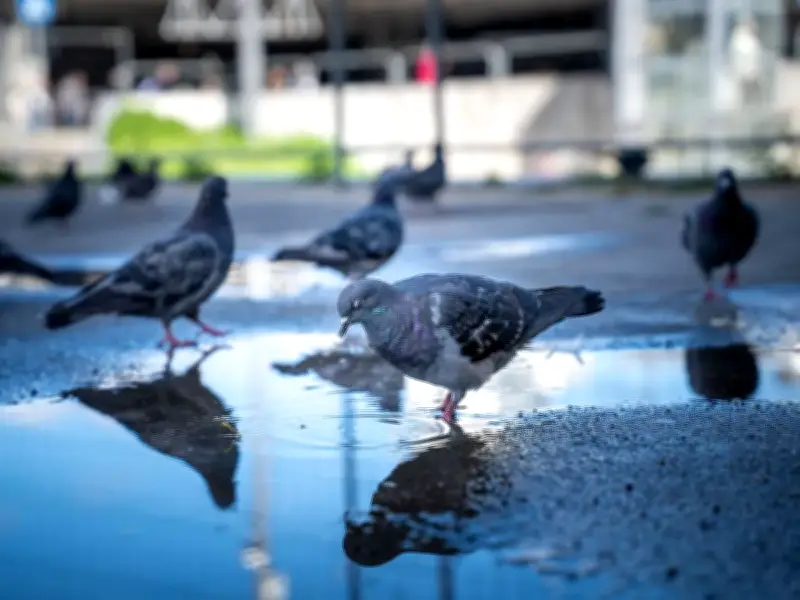
Pigeons are a common sight in many gardens, but they can be a nuisance if they're constantly landing on your patio or pecking at your plants. One common household item—old CDs—could help deter them, according to pest control experts.
Pigeons are often attracted to gardens because they offer easy access to food and water, or simply a location that feels secure to settle. Coexisting with them can become frustrating as they keep returning to the same nesting locations and are frequently in flocks.
Safe DIY Deterrents Recommended by Experts
While spooks, wire, gel and trapping are typical professional approaches, these can only be implemented by a pest control professional due to stringent animal welfare regulations. However, Pest Solutions has recommended straightforward measures you can attempt at home that are entirely safe.
Reflective items will achieve the desired effect. Suspending old CDs on string is an ideal method, as the manner they shift in the breeze can be "surprisingly effective at scaring off pigeons", the organisation advises.
Decoys and Strong Scents as Alternatives
Another option is placing decoys of owls or other birds of prey in your garden. A model capable of producing realistic sounds will perform an even better job at deterring pigeons.
Pigeons are also repelled by powerful smells. Pest Solutions recommends placing strong-scented items such as cinnamon and hot black pepper sprays in your garden or around your balcony. They are also believed to have a strong aversion to high-pitched sounds, making ultrasound deterrents a reliable choice.
Protecting Plants and Expert Advice
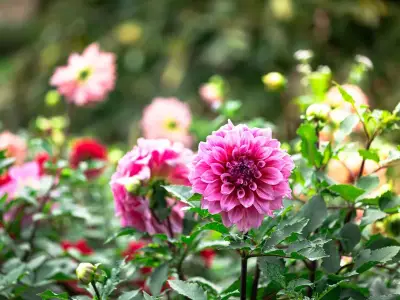
If your plants and flowers are the main concern, lightweight netting that rests gently on top of them can prevent pigeons from landing on or pecking at them without causing harm.
Pest Solutions advises: "Bird scarers, ultrasound speakers, scarecrows, CDs and other DIY bird control methods only go so far. At the end of the day, the only guaranteed way to keep pest birds away from your property is to call in the pros and arrange a specialised pigeon control service."
Meanwhile, the RSPCA warns people not to worry about the presence of pigeons. Their website claims: "Pigeons are not pests but an important part of the ecosystem. They clean up scraps and waste (often left by humans), eat insects, aid pollination by transferring pollen on their feathers and beaks (called ornithophily, pollination by birds) and spread seeds as natural foragers. They're friendly, clean and intelligent creatures who are happy to live with humanity. So, where possible, we should welcome them into the wild spaces we care for, too."