A clean energy group has accused the Pentagon of hindering the development of more than 250 new onshore wind farms on private lands by failing to complete its national security reviews. The American Clean Power Association (ACP) stated that the Pentagon evaluates wind energy projects during the Federal Aviation Administration (FAA) review process, but in recent weeks, it has ceased sending any projects back to the FAA, effectively grinding the process to a halt.
Pentagon's Response
In a statement on Thursday, the Pentagon said its siting clearinghouse is actively evaluating land-based wind energy projects to ensure they do not impair national security or military operations, in accordance with statutory and regulatory requirements. The department described the process as involving complex, time-consuming interagency coordination.
However, Jason Grumet, CEO of ACP, called the situation unprecedented. He said there has never been a backlog of this size or a near-systemwide halt in transmittals back to the FAA. Grumet described it as a "de facto moratorium" on new land-based wind energy development, warning that if the projects remain stalled, it would dramatically obstruct the industry at a time when the power is needed to meet skyrocketing demand and help lower utility bills.

Scope of the Delay
ACP reported that more than 250 projects are pending in over 30 states, totaling at least 30 gigawatts of energy—enough to power millions of homes if built. Wind power is also a climate change solution, generating electricity without emitting planet-warming greenhouse gases.
President Donald Trump has frequently expressed his dislike of wind power, calling turbines ugly. Upon returning to office, he ordered a temporary halt to leasing and permitting for wind energy projects, though a federal judge later struck down that order. Trump is particularly hostile toward offshore wind, and the administration has recently started buying back leases to stop offshore wind development.
Correspondence and Delays
ACP wrote to the Pentagon in March expressing concerns over the scope and duration of delays for land-based wind projects. In response, Pentagon official Robert Thompson wrote on April 8 that the department is actively working to ensure compatibility with national security. He noted that the evaluation process is inherently complex and time-consuming, and further review will be conducted "as soon as feasible." Thompson also cited delays due to the government shutdown in the fall. "The department intends to complete review of all companies’ proposals efficiently without compromising the integrity of the review," his letter stated.
A separate letter to a wind energy developer dated April 9 made similar points. Before a wind farm is built, the FAA conducts a regulatory review to determine hazards to air navigation, as turbines exceed 200 feet. The FAA works with defense officials to evaluate whether these structures could pose a national security risk or interfere with radar. Wind developers and defense officials frequently negotiate mitigation agreements to address concerns.
Impact on Developers and Farmers
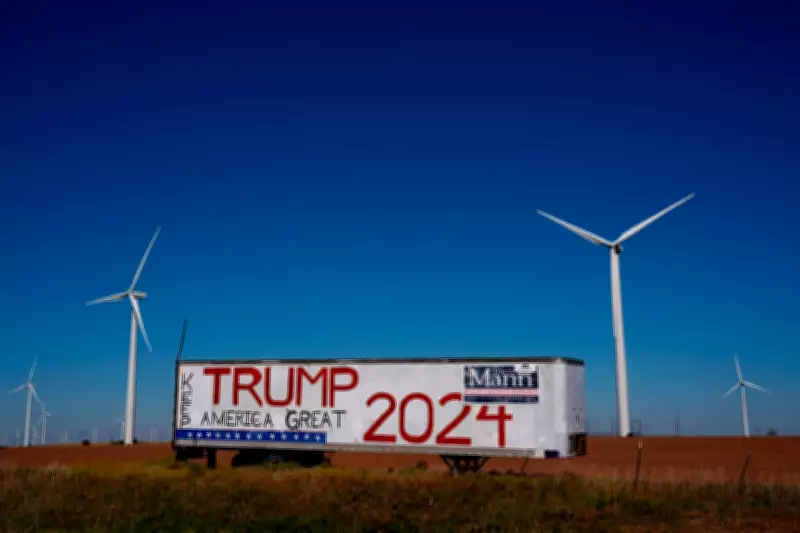
Wind farms are an attractive option for some farmers and ranchers, who earn money by leasing a portion of their land while continuing agricultural operations. Top states for wind energy—Texas, Iowa, Oklahoma, and Kansas—voted for Trump in 2024. Democratic candidate Kamala Harris won Illinois, another windy state. About 50 of the pending projects are in Texas.
Tom Harper, a partner at the global consultancy firm Baringa, said their clients are also experiencing delays, with projects at different stages of approval and nothing being signed. Many need to begin construction by a July 4 deadline to qualify for expiring clean energy tax credits, but cannot do so without the necessary signatures. Most projects are at late stages of development, with considerable time and resources already invested.

Escalation of Issues
ACP said wind developers first noticed issues last summer when agreements already signed to mitigate potential adverse impacts were not being countersigned by the Pentagon, despite this previously being routine. The situation escalated in recent weeks: the Pentagon stopped issuing new draft mitigation agreements in February even after negotiations concluded, then in April canceled meetings to work on these agreements. Last week, even routine processing for projects that did not require mitigation measures stopped.