
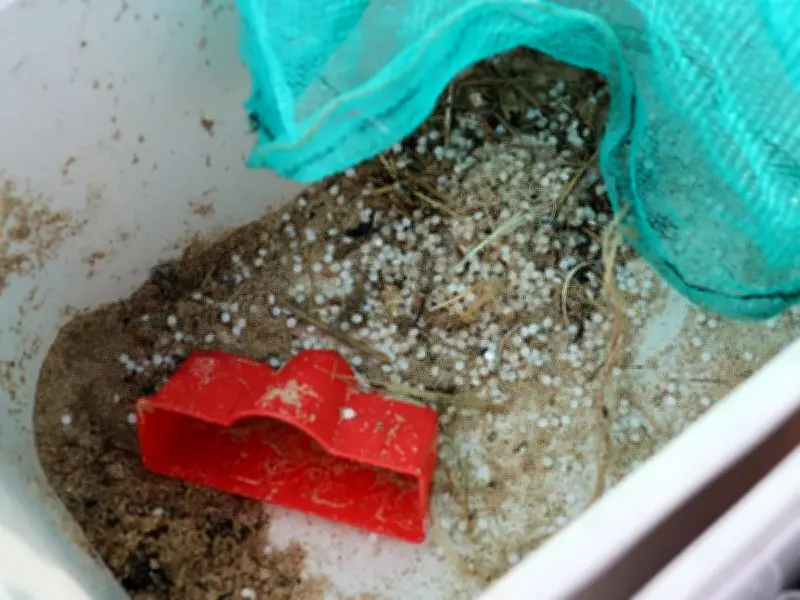
Campaigners say the official clean-up operation after several tonnes of nurdles were spilled into the River Tyne is "still not enough", with more pellets expected to wash up on North East shores due to an upcoming spring tide between August 14 and 18.
Race against time
Volunteers warn the entire response is in a "race against time" as the spring tide could churn up sand and bring buried nurdles back to the surface. Surf instructor Sally McGee said: "The swell could churn up the sand, bringing buried nurdles back to the surface and into the river. This is an important window in which we have to act. Every volunteer, professional and government resource needs to be focused on recovering as many pellets as possible before the tide carries them out to sea."
The Port of Tyne has allowed boats from the Northumberland Inshore Fisheries and Conservation Authority (NIFCA) onto the river, manned by trained professionals. However, campaigners say the two-hour window afforded to NIFCA boats between 8am and 10am this morning is "not enough".
Port response
The Port of Tyne has previously said that putting more boats on the river risks hindering the clean-up, as they can disperse pellets and make them harder to collect. The Port says it has responded by getting "global experts" to manage the River Tyne and has entered the second phase of a "complex operation" which bosses say initially prevented a further 58 tonnes of nurdles spilling into the river.
A spokesperson for Port of Tyne said: "The Port deployed world-leading environmental cleanup specialists, Ambipar, on the river as they have extensive experience in cleaning up spills. They advised, and continue to advise, that the number of personnel deployed and their operating locations provide the most efficient method for collecting the most pellets in the shortest time."
"Putting more boats on the river actually risks hindering the cleanup operation because boat movement disperses the pellets, making them harder to collect. However, given the level of feeling within the community to support the clean up on the river, we opened a window to allow trained volunteers to support the effort and are currently reviewing the impact as the majority of the waste now being collected is <10% pellets and majority seaweed."
"Ambipar is continuously monitoring the situation and is ready to adjust the level of resourcing at short notice should the situation change, for example due to tidal conditions. We welcomed the DEFRA Minister and Chair of the EA to the Port earlier this week to view the site of the accident and support the request to improve legislation and transportation requirements for this type of cargo moving forward."
Government engagement
On Monday, a handful of campaign representatives met with Stephen Morgan, Marine Minister, and Environment Agency chair Alan Lovell. Campaigners say they challenged public messaging from the Government describing the response as rapid, though media were not given the opportunity to attend the meeting and put questions to Mr Morgan and Mr Lovell.
'Nurdlers' say they feel they are leading a large share of the clean-up and called on Mr Morgan to improve resources and personnel to speed up recovery. A spokesperson for the Environment Agency said: "We understand the strength of feeling about this incident and the desire for clear information. The Environment Agency has played an active role in the response from the outset, providing environmental monitoring, technical expertise and on-the-ground support to the organisations leading the recovery effort."
"We continue to engage with partners, local communities and volunteers throughout, and our focus remains on supporting the clean-up, understanding environmental impacts and helping affected areas recover."
In total, more than 2,500 volunteers have been involved with the nurdle clean-up, logging more than 5,300 hours; 4,900 of which are on the beaches themselves, and a further 400+ hours of admin and manufacturing work behind the scenes. They say they have removed around 500 tonnes of nurdles.




