A new hosepipe ban has come into force as forecasters warned parts of the UK could be hit by flooding, with rain set finally to hit drought-stricken land.
Some areas in the country will have the “first meaningful rain for a long time” in the coming days, the Met Office said, after weeks of heatwaves and dry weather have left many areas facing water shortages.
Wessex Water Ban
On Tuesday, a hosepipe ban begins for all of Wessex Water’s 1.4 million customers across areas in Bath, Somerset, Dorset and Wiltshire. It is the first ban the company has put in place for 50 years, since the summer of 1976.

Announcing the temporary restriction, the company cited increased demand during the dry weather but also longer-term weather forecasts that mean resources must be protected for customers and the environment. More than 27 million people across England have now had hosepipe use restricted in their area.
Forecast Rain and Flood Risk
Following the fifth heatwave of the summer, this week is forecast to be wetter with cooler conditions that are much closer to average for the time of year, the Met Office said.
Showers are expected on Tuesday in the north of the country, particularly in the North West, and another area of rain will move into the South West by the evening, the Met Office’s deputy chief forecaster Mike Silverstone said. This will then likely spread east across the South, bringing the first spell of widespread rain to areas in need the most, he added.
“Thursday will be a day of heavy showers across much of the UK, while some of these will be heavy some areas will miss them altogether,” Mr Silverstone said. “As some of these showers could be intense, there is a chance of some surface water flooding as the rain falls on very dry and hard ground.”
By Friday, the conditions are expected to turn drier once again through the weekend before more rain is forecast next week.
Dry Conditions and Impact
The change comes after the UK’s fifth heatwave of the summer, during which the hottest day of the year was recorded in Kew Gardens, London, on Thursday when temperatures reached 38.1C.
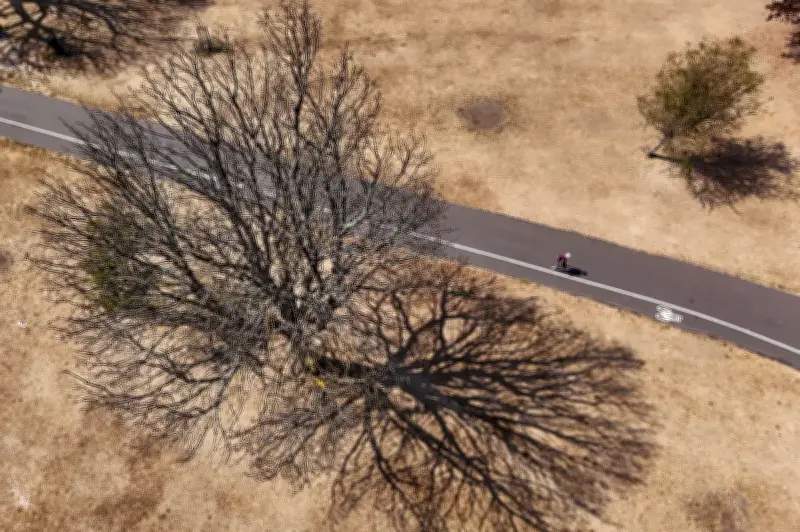
The forecast rain may bring some welcome relief to parched land and fire-fighters tackling wildfires. But it is unlikely to bring an end to widespread drought conditions that have put severe pressure on wildlife, farmers, transport, emergency services infrastructure and water resources.
The BBC reported more than 8,000 South East Water customers across Kent have been affected by water supply issues, with some customers told it could be days before the issues are resolved. The firm said the issues were the result of prolonged hot weather, high demand, recent pipe bursts and overnight power issues.
Mike Pickard, incident support manager at the water company, told the broadcaster: “It’s an ongoing challenge for us at the moment and we apologise sincerely to all affected customers.” He added: “Our team is exhausted and being pushed to limits to make sure water is running.”
Among the driest areas in the UK are Wisley in Surrey, which has recorded 61 consecutive dry days since June 17, and Heathrow in Greater London, which has measured 55 consecutive dry days since June 23, according to Met Office data.
Meanwhile, Thames Water has urged customers to continue efforts to reduce water use as it revealed household demand has fallen by 3% across London and more than 6% across the Thames Valley and homes counties since it introduced a hosepipe ban on July 23.
In an update on Tuesday, the utility said London reservoir storage was at 74%, which is lower than what the firm would expect for this time of year but the Farmoor Reservoir in Oxfordshire is 92% full. It also said rainfall in the Thames catchment area during July saw less than 1mm, which is just 2% of the long-term average, while customers used around 100 million litres more water every day than normal, adding further pressure to rivers, reservoirs and the water network.

Martin Padley, water director at Thames Water, said: “The action customers are taking is making a real difference, helping to protect supplies for homes, businesses, local wildlife and the environment. With reservoir levels below where we would expect them to be for this time of year, and demand remaining high, we’re asking customers to keep going and continue using only what they need. Small changes, such as taking shorter showers, turning off taps and avoiding non-essential water use outdoors, all help reduce pressure on our network while our teams continue working around the clock to find and fix leaks.”