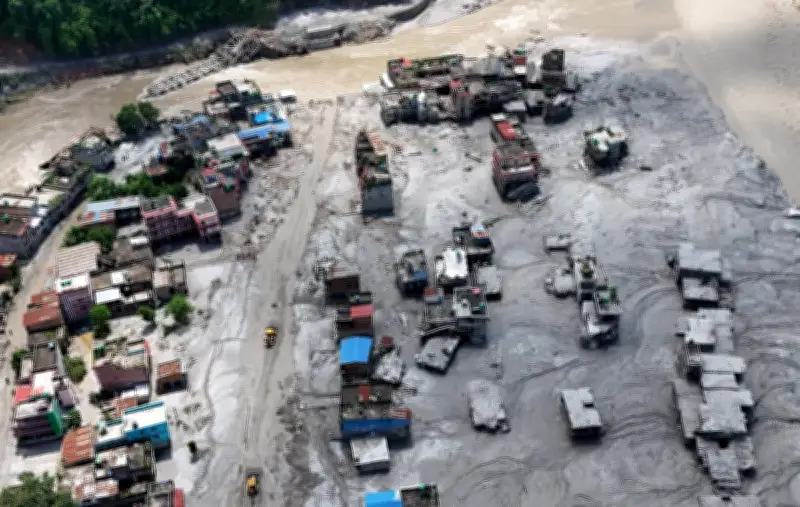
The recent catastrophic floods in Nepal and Tibet have laid bare the escalating threat of climate-linked disasters. The Guardian view argues that these events are not isolated tragedies but a foretaste of a future where such extreme weather becomes more frequent and severe. The international community must heed this warning and ramp up preparations for a world of heightened climate risk.
A Pattern of Intensifying Extremes
The floods, which have caused widespread devastation and loss of life, are consistent with scientific predictions of how a warming planet affects the water cycle. Warmer air holds more moisture, leading to heavier rainfall and increased flood risk, particularly in mountainous regions like the Himalayas. The Guardian argues that this is a clear signal that governments and aid agencies need to move from reactive emergency responses to proactive, long-term planning.
The Need for Global Preparedness
Building resilience is no longer optional but essential. This means investing in early warning systems, climate-resilient infrastructure, and community-level preparedness, especially in vulnerable regions. The Guardian view emphasizes that the burden of these disasters falls disproportionately on poorer nations and marginalized communities, who are least equipped to recover. Wealthier countries, which have contributed most to historical emissions, have a moral and practical responsibility to support adaptation efforts worldwide.

A Call for Urgent Action
The tragedy in Nepal and Tibet should galvanize international climate negotiations and funding commitments. The Guardian argues that the upcoming COP summits must deliver concrete financial and technological support for adaptation. Without such action, the world will continue to be caught off guard by climate-linked disasters, with ever more devastating consequences. The floods are a stark reminder that climate change is not a distant threat but a present and accelerating reality, demanding urgent and sustained global cooperation.