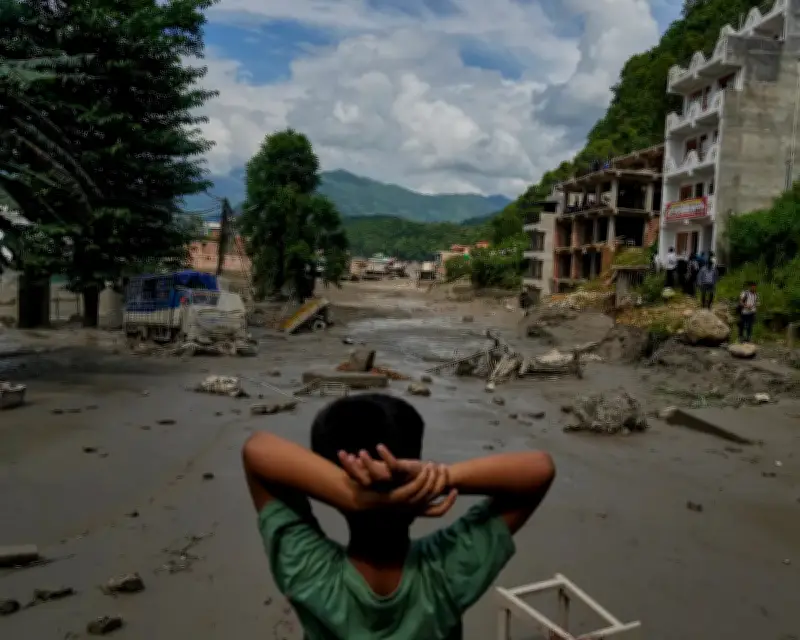
Floods in Nepal and Tibet have caused widespread devastation, with experts describing them as a warning for the future. The extreme weather event has highlighted the growing risks posed by climate change in the region.
Scope of the disaster
The floods have affected large areas, displacing thousands of people and damaging infrastructure. In Nepal, entire villages have been submerged, while in Tibet, rivers have burst their banks, inundating towns and farmland.
Rescue teams have been deployed to assist those trapped by the rising waters, but access to some areas remains difficult due to damaged roads and bridges.

Climate link
Scientists point to the role of climate change in intensifying such events. Warmer temperatures are increasing the frequency and severity of heavy rainfall, leading to more destructive floods.
The floods are part of a broader pattern seen across the Himalayas, where glacial melt and changing monsoon patterns are adding to the risks.
Future implications
The events in Nepal and Tibet are seen as a warning for other regions prone to similar weather extremes. Experts urge governments to invest in better flood defenses and early warning systems to mitigate future impacts.
As the climate continues to change, such disasters are likely to become more common, making adaptation crucial for vulnerable communities.