The mother of an eight-year-old girl who died after contracting E.coli has slammed South West Water as figures revealed it was the worst for potentially illegal sewage discharges last year.
Data from the Environment Agency shows the company was responsible for 2,451 so-called “dry spill” incidents last year, over a period of 4,345 days. Water companies are allowed to release untreated sewage into rivers and seas when it rains to prevent it backing up and flooding homes. However, such spills are illegal in dry conditions, apart from in exceptional circumstances.
Despite that, figures passed to the Mirror reveal water firms in England and Wales carried out 8,576 such discharges last year, totalling 14,873 days. The fact that potentially raw sewage was allowed into rivers and seas for, in some cases, a number of days, has particularly alarmed critics.

Mother's anger over 'unforgivable' dry spills
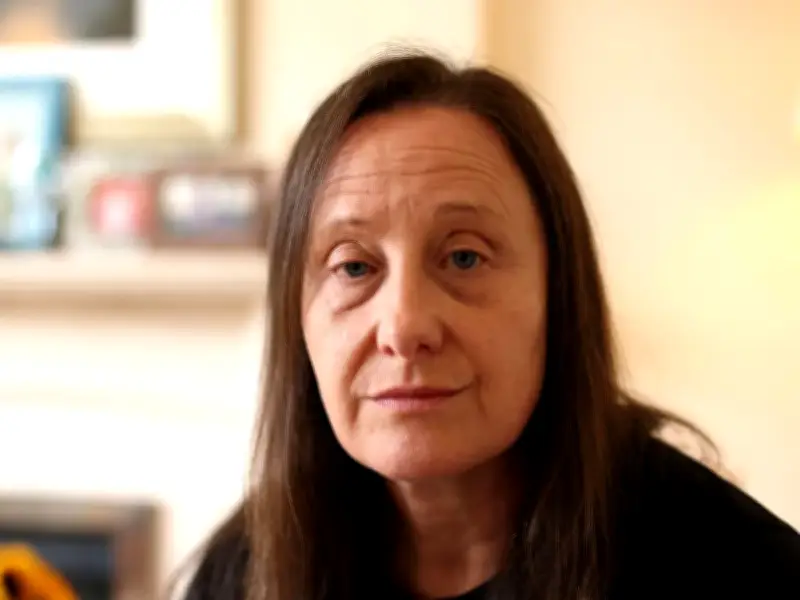
Julie Maughan, who believes daughter Heather Preen died after contracting E. coli on a Devon beach in 1999, said she was “deeply disappointed and hurt” by South West Water’s ongoing failings. Her story was retold in Channel 4’s hard-hitting doc-drama Dirty Business earlier this year.
“Dry spills are unforgivable and show the blatant disregard this company has for public health and the environment,” said Julie, 59, of Bromsgrove, Worcs. “They need to understand that the primary function of a water company is to protect public health. If they can’t accept that, they should be replaced by an organisation that does.”
Julie, then husband Mark Preen, Heather and her 10-year-old sister Suzanne visited Dawlish, Devon in July 1999. But their holiday turned into a nightmare when they came to a sewage outflow pipe and Heather accidentally put her foot in what was coming out.
Whistleblower slams water firm and regulator
As featured in Dirty Business, the youngster later fell ill and it was confirmed she had been infected with E.coli O157, the most aggressive strain. She died on August 8, 1999. Julie has called on Andy Burnham to ensure no other family faces the same heartache by ensuring water firms put public health before profit.
Environment Agency whistleblower Robert Forrester, whose key role was also featured in Dirty Business, called the actions of South West Water “incredibly reckless.” He also slammed the agency, claiming it was “not fit for purpose”.
“You have a whole frontline of staff desperate to do their job, desperate to get on site, desperate to hold firms to account and they have leadership team who just won’t allow them to do it.” claimed Robert, who left in January this year. South West Water has previously said investigations into an outbreak at the time of Heather’s death found no definitive source of infection.
Industry response and regulatory action
The newly released data showed a storm overflow site operated by the company in Croyde Bay, Devon, had 48 incidents alone last year. On the issue of dry spills, South West Water said: “We are clear that storm overflows must only be used when absolutely necessary, and many of the ‘dry day spills’ recorded in the South West are linked to groundwater continuing to drain into sewers after rain has stopped.
“Reducing storm overflow use is one of our top priorities, which is why we have already invested £16million to tackle groundwater entering the network, preventing around 4,800 spills in 2024 and a further 2,700 in 2025. As a result, storm overflow use has reduced by 17% and spill duration by 25% over the past year, and we will continue to invest in improvements across the region to reduce spills further.”
The second worst company for dry spills was embattled Thames Water, which is battling to avoid being nationalised, with discharges over 1,983 days last year. It was followed by Severn Trent Water, at 1,610 days. An Environment Agency spokesperson said: “The number of dry day spills is totally unacceptable and we are focused on raising standards right across the water industry.

“We have fundamentally strengthened our approach to tackling water pollution, bringing more people, better data, stronger powers and unprecedented scrutiny to drive change. It is vital that improvements to the sewage system are sustained over the long term, and we will continue to hold water companies to account where performance falls short.”
Thames Water said: “Whether a spill is deemed ‘illegal’ depends on the specific circumstances and the permit conditions at each site. While we know that there is room for further improvement, there are several methodologies for defining and calculating why and how 'dry' discharges occur.”
A Severn Trent spokesperson said: “We can assure customers we’re doing everything we can to make a positive difference to river health, including reducing storm overflow spills by 41% in 2025. We’re investing billions to improve river health and cut spills with thousands of improvements already in place. A small percentage were classed as dry day spills in 2025 and these have been proactively reported and improvement plans are in progress.”