
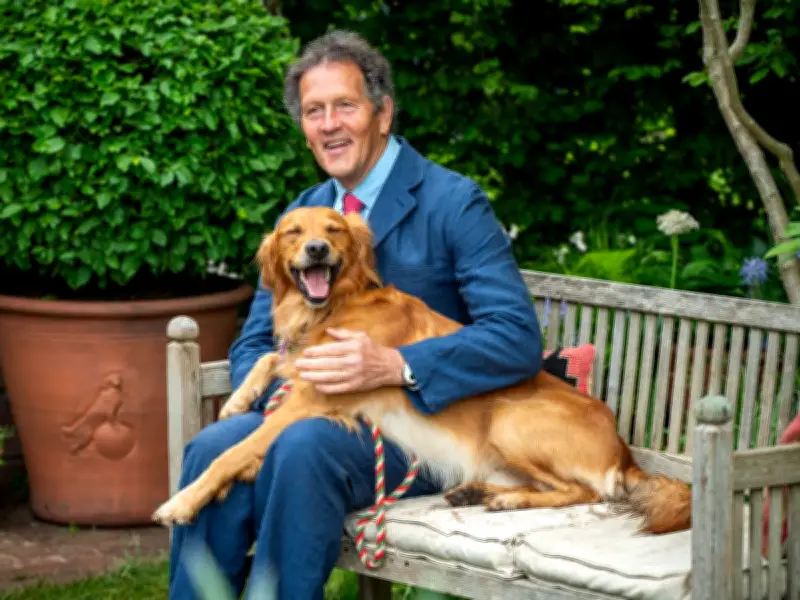
BBC Gardeners' World host Monty Don has urged UK gardeners to hold off on a key gardening task until after June 21 as it could harm UK lawns.
Gardening Task to Avoid Before June 21
As summer gets under way across the UK, countless gardening enthusiasts will be turning their attention to the key tasks required to keep their outdoor spaces verdant, healthy and flourishing. At the start of each new season, gardeners typically assess their gardens to determine which essential jobs need tackling. By the time summer arrives, the general view is that lawns require mowing and trimming to keep them looking their very best.
However, renowned horticulturist and BBC Gardeners' World presenter Monty Don has urged gardeners to think carefully before reaching for the lawnmower, drawing on his own personal experience with a widespread issue. The gardening authority has revealed that there is one specific date in June before which gardeners should refrain entirely from mowing their lawns, warning that doing so could cause more damage than good — particularly as UK temperatures soar to record levels this year, reports the Express.
Monty Don's Advice on Long Grass
Monty Don's celebrated Longmeadow estate is nestled in the charming village of Ivington in Herefordshire, England, and is home to a truly remarkable garden — widely considered to be amongst the finest in Britain. Explaining how the immaculate grounds at Longmeadow are maintained, Monty shares: "By June a million gardens are regularly humming - and at times unpleasantly roaring - with the sound of motor-mowers keeping the grass trim and under control. But at Longmeadow we restrict this to paths and try and let as much grass as possible grow long and planted up with spring bulbs and wildflowers. This looks beautiful and is so much better for insects and all forms of wildlife than a neatly mown lawn."
Discussing why the optimal moment to trim grass is following the Summer Solstice, and explaining the reasoning behind it, Monty adds: "It is important to time the cutting of this long grass to maximise the performance of the bulbs next spring and of the grasses themselves. Nothing should be cut at all until after the longest day on June 21. This gives the foliage of the bulbs time to die back and feed next year's bulb and subsequent flowering. The grass can then be cut if it has been hot and dry, although sometimes I leave this as late as mid-August."
According to the gardening expert, the principal advantage of allowing grass in gardens to grow somewhat longer is to enjoy its rewards later in the year. Monty reveals that leaving the lawn undisturbed now will ultimately lead to healthier and more vibrant green grass when spring arrives. The experienced horticulturist also outlined what should be done with the initial cutting of the long grass: "Whenever you make this first cut of the long grass, you must collect it all up and take it to the compost heap to stop it adding nutrition to the ground which would encourage lusher, coarser grasses at the expense of the flowers."
Additional Warnings from Experts
Gardening specialists have issued a strong warning against mowing lawns and trimming grass during heatwaves or periods of elevated temperatures, as doing so could cause significant stress to the turf, potentially leaving it susceptible to disease, scorching and extended browning. Another prominent figure from the natural world has reinforced this guidance, though he has recommended holding off until 15 July.
Speaking on the BBC's Wild Isles nature documentary about the UK, Sir David Attenborough advised: "It's all about the timing. Delaying mowing until mid-July allows birds and insects to complete their breeding and flowers to set their seed." Reflecting on the decline of biodiversity in Britain, the renowned naturalist said: "Nowhere here is richer in wildflowers and insect pollinators than our traditional hay meadows. Sadly, in the last 60 years, we've lost 97% of this precious habitat. But with nature-friendly farming, meadows can be restored to provide a haven for wildlife."
Insects including bees, butterflies and even wasps depend on lawns — and particularly the daisies, weeds and wildflowers flourishing within them — to breed, pollinate and maintain a thriving ecosystem during this period of the year. Trimming the grass excessively short interferes with all of this, eliminating numerous insects that represent a crucial — and progressively threatened — component of our natural ecosystem.




