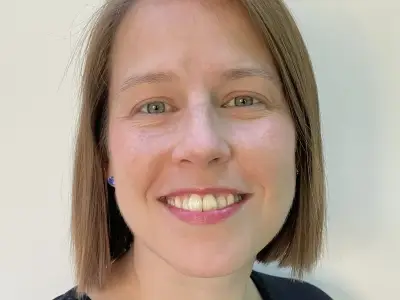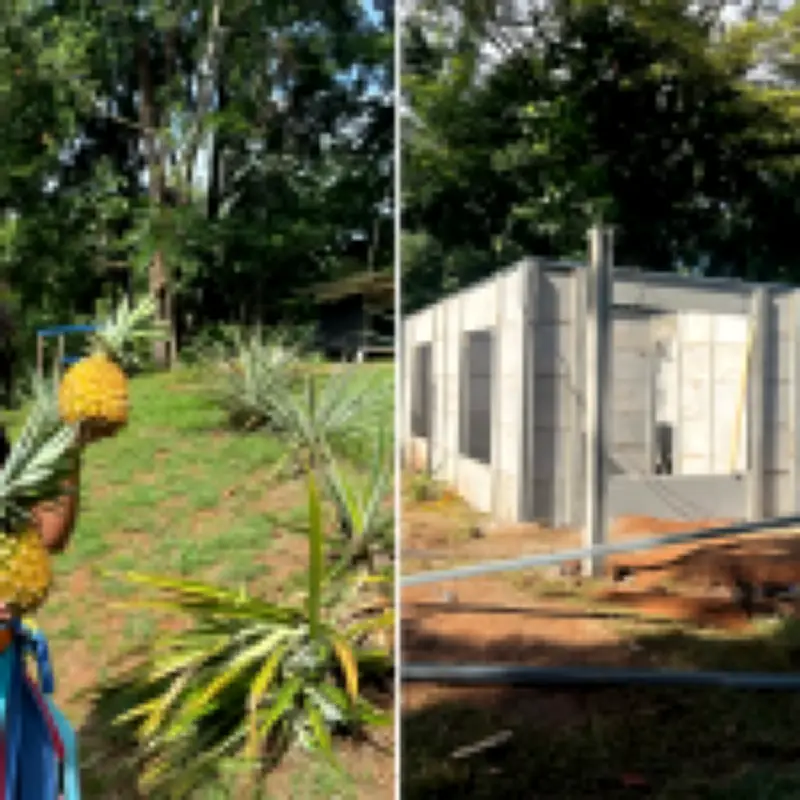
Daja Hansel-Coates moved to Costa Rica in 2022 to live off-grid, but quickly discovered that creating her jungle home was far more difficult than she had imagined. The 30-year-old, who had saved for years to buy land in the Osa Peninsula, found herself sleeping in a tent, collecting water from the river, and facing constant challenges from the tropical climate.
From Instagram inspiration to jungle reality
Daja first visited Costa Rica in 2017 and was inspired by Instagram videos of two Black women running tech-free retreats in the jungle. She spent two weeks at one of their Holi Haven retreats and knew she wanted to 'plant some roots there, have a property and a place to ground and connect.'
She saved $25,000 (£18,468), working as a student rep and raising money online. Her online fundraiser brought in about $4,000, and she gave her family an investment presentation about the importance of owning land as Black people. In 2021, she bought two acres in the Osa Peninsula for $16,500 (£12,219), which she considers a bargain, as neighbouring land has since sold for about $80,000 (£59,246).

Building a life from scratch
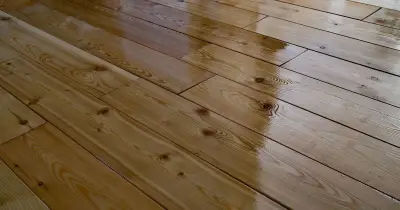
When Daja moved onto her land, she used fallen trees and plastic sheeting to create a shelter for her tent. She had no electricity or bathroom and had to go to the woods. She gradually built a rudimentary cabin with recycled materials, adding a roof, bathroom, and concrete floor, doing much of the labour herself.
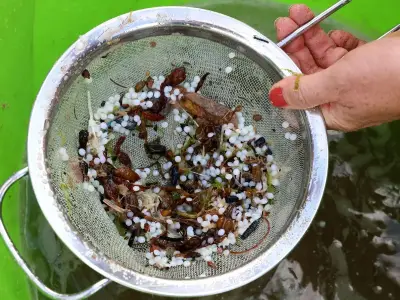
She grew food, taught English to locals, volunteered, and offered virtual healing sessions when she could access the internet, which happened only a few times a month. Collecting water, gathering firewood, and cooking over a fire became daily routines.
Challenges of the tropical climate
Heavy rain and storms repeatedly damaged her property. A donated solar panel was destroyed twice, and a water system collapsed when the wooden tower rotted. The replacement cost over $200 (£148), and she had to rebuild the tower. Despite the hardships, Daja found that the slower pace and distance from digital life improved her mental health and sleep.
In 2022, she began hosting retreats called I Hope You Find Serenity, helping other women reconnect with nature. She has hosted more than 50 retreats, including private and small-group experiences.
A new chapter
When Daja became pregnant last year, she moved into a one-bedroom apartment in town, later setting up running water, electricity, and Wi-Fi. She gave birth at home in Atlanta and now lives on her Costa Rican land in a proper house with her daughter, though the original cabin is falling apart after three years of exposure to the tropical climate.
Her long-term vision remains to grow food, raise her family, and create a healing retreat centre. She misses the quiet and lack of online distractions, saying, 'My favourite thing about off-grid living was the views and the sounds.'