
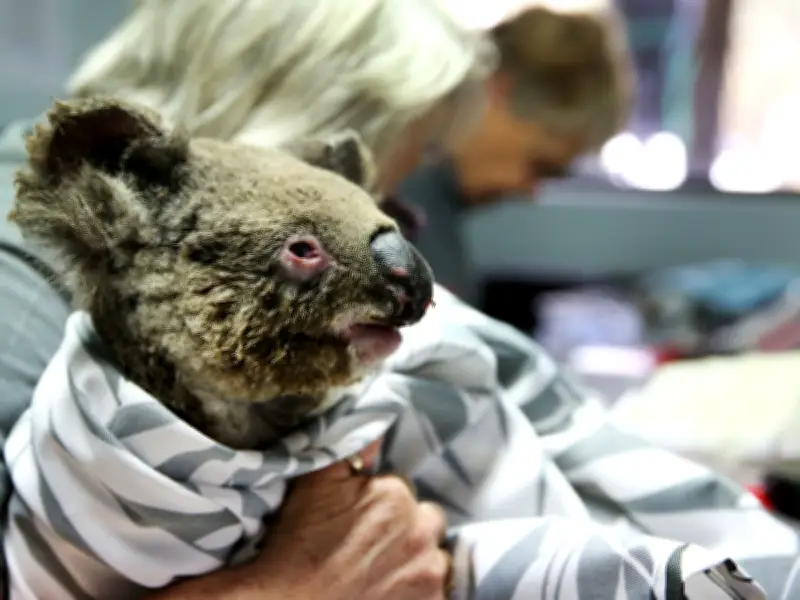
Australian scientists have begun freezing koala sperm and eggs to preserve genetic diversity as the species faces threats from chlamydia, habitat destruction, and poaching. The initiative aims to protect koalas from potential population collapse and ensure their long-term survival.
Genetic Preservation Strategy
Researchers at the University of Queensland are collecting and freezing koala reproductive material, including sperm and eggs. These can later be used for artificial insemination to produce healthy, genetically diverse offspring that are free from chlamydia. The project also helps maintain genetic diversity, preventing populations from becoming too similar, which can lead to collapse.
Andres Gambini, a reproductive biologist at the University of Queensland involved in the freezing process, stated: "Losing genetic diversity can weaken future generations and decreases the ability of the species to adapt to challenges. This project will create a safe and systematic way to rescue and preserve koala spermatozoa and eggs to support future conservation programs."
Chlamydia Crisis
Chlamydia has infected over 90% of koalas in Australia. While not always fatal, the disease causes infertility and weakens immune systems, making koalas more susceptible to other deadly illnesses. Habitat loss, wildfires, and poaching have also contributed to population declines, though some areas have seen increases.
The frozen genetic material serves as an emergency failsafe in case of partial or full extinction, providing a backup for conservation efforts.
Vaccine Breakthrough
In parallel, scientists have developed a koala vaccine against chlamydia. A koala named Bamsa became the first to receive the vaccine along with a biodegradable implant developed by Queensland University of Technology (QUT). The implant eliminates the need for recapture to administer boosters.
Dr. Michael Pyne, a senior veterinarian involved in the vaccine project, called it a "massive breakthrough" and "a truly remarkable moment." He added: "We've been working with vaccines against chlamydial disease in koalas for over five years now and this is a massive breakthrough where we are turning a two-injection vaccine into an injection and an implant that can be all applied in one examination."




