Gardeners say that covering English ivy with thick black plastic sheeting in August can permanently kill the plant, including its roots and seeds, preventing it from growing back without the need for chemicals. The technique, known as solarisation, uses the sun to scorch the ivy beneath the plastic, according to home and garden blogger Tara Besore.
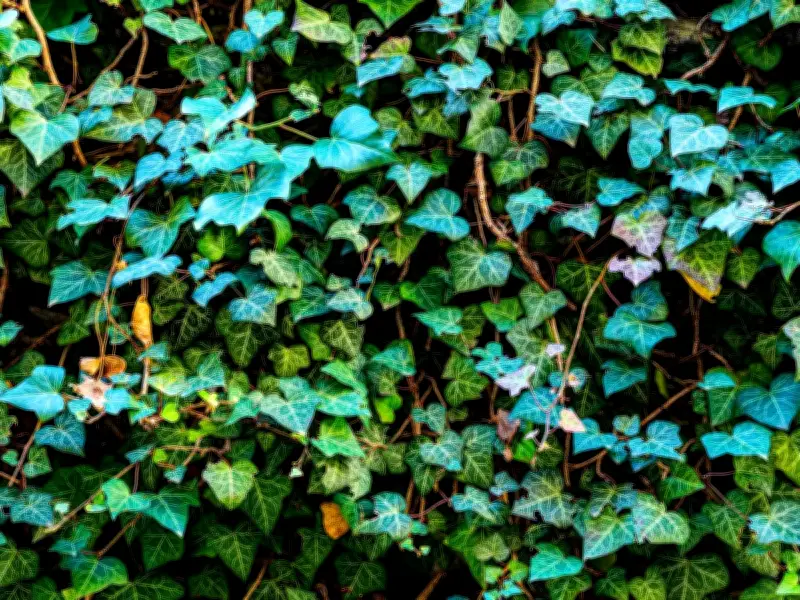
English ivy is a tenacious climber that can rapidly scale walls, snake through garden borders and smother smaller plants if left unchecked. Cutting it back once is rarely enough to stop it returning, as established ivy can regrow from rooted stems and any remaining growth left behind.
Solarisation method endorsed by specialists
White vinegar is an inexpensive, natural remedy that many gardeners favour for tackling unwanted ivy, though it does not always banish the weed permanently. Instead, Besore has revealed how she "got rid of thick and obnoxious English ivy for good" naturally with just some plastic.

She noted that the method works on "even the thickest ivy", requires no back-breaking effort, and "doesn't require chemicals". It does, however, demand a degree of patience. Recounting her own experience, she said: "After spending a summer getting nowhere with brute force, I turned to the solarisation method. This involves letting the sun scorch the ivy under plastic."
Specialists at Piedmont Master Gardeners have also endorsed this approach, stating that a thick tarp or heavy plastic sheeting "can kill English ivy by blocking sunlight and depleting the energy stored in the roots". However, the principal downside is that it is time-consuming: it can take one to two years to "fully wipe out the ivy's extensive root system".
How to apply the plastic sheeting
The initial step involves covering the ivy entirely with thick, black plastic sheeting. This can be a single sheet or multiple layers placed so that the plants are unable to push through. Beneath the plastic, the ivy is starved of water and bakes in the warmth, "permanently killing the ivy, the roots, and even the seeds" so it "can't grow back", according to Besore.
Following this, secure the plastic with stakes or weigh it down with something substantial to prevent it from shifting in the wind. Every couple of months, lift the edge of the plastic to assess whether the ivy has died. Once all the greenery has disappeared and nothing remains but dry, brittle, brown vines, it is time to clear away the dead ivy.
Removing dead ivy
After solarising, cutting and pulling the ivy becomes straightforward. Hack away at the vines and gather up the debris, as there will most likely be a considerable amount to clear. You can also attempt mowing over the vines to break them down and make them simpler to pull free.
Should any ivy be climbing your trees, sever the ivy vines all around the base of each tree and extract the roots beneath.