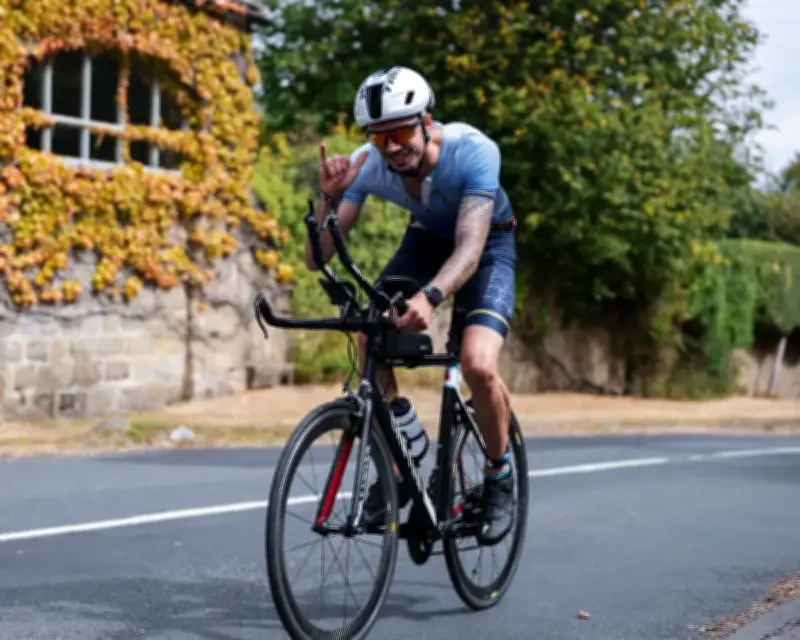
Ironman Leeds, held on 16 August, cancelled its 2.4-mile swimming leg because of a toxic blue-green algae bloom, marking the fourth triathlon event in the UK to be affected this year. Around 2,000 athletes competed in the annual event, which also includes a 112-mile bike ride and a 26-mile run.
Jack Chamberlain, one of the participants, had trained about 15 hours a week for five months in preparation. Although he finished the race, he said the cancellation left him feeling that his achievement was incomplete. “When you cross the finish line you hear those famous words, ‘you are an Ironman’, and that comes from finishing a triathlon, not a duathlon. So I’m proud of myself, but it felt off,” he said.
Algae blooms and heatwaves
Algae blooms are not unusual at this time of year, but the successive heatwaves in Britain have worsened freshwater conditions. British Triathlon, the governing body, confirmed that Sunday’s event was the fourth this year to be cancelled due to algae blooms.

Chamberlain said more notice would have helped athletes plan, noting that about 58 countries were represented. “It’s something they should have been checking weeks in advance,” he said. “There were something like 58 countries represented in the race, so people came from all over the world. I think with people putting in time and effort and, you know, thousands of pounds into such events, things should be put in place.”
Athletes' mixed reactions
Marina Angela Andresen, a marathoner aiming to complete 10 Ironman events in 12 months, welcomed the decision. “This was the first time in my life I’ve had a full swim cancellation. I’ve had swims shortened before because of temperatures, but not this. Honestly though, I was very happy with it. Because I know Ironman looks out for the athletes and I would not want to swim with blue-green algae, it’s dangerous,” she said.
Andresen added: “I’m very happy to not be forced to swim under such conditions and I can still make the best out of the day. I had a fantastic race with the people of Yorkshire. The mood was great. I really loved it.”
Pollution and wider impact
Beyond triathlons, several public swimming spots, including the first official bathing site on the Thames in London, have warned swimmers to avoid the water until blooms clear. Daniel Start, an avid wild swimmer and author, said pollution is as significant a cause as heat. “It’s not a problem that is going away any time soon,” he said. “It’s getting worse with more intensive farming and more fertiliser being put on fields that trickle down into lakes and rivers.”
A spokesperson for the Ironman Group, which organised the event, said: “Ironman was devastated to have to cancel the swim portion of this year’s Ironman Leeds. We know how hard our athletes train across all three disciplines (swim, bike, run) and how disappointing it was to forgo the swim segment due to water quality issues.” The spokesperson added that the decision was made with Leeds city council, which has jurisdiction over Waterloo Lake, and noted that 2026 was the second edition of Ironman Leeds, with the swim successfully conducted the previous year.