The Intergovernmental Panel on Climate Change (IPCC) has published an assessment examining the catastrophic effects of climate change and how nations can act to restrict global warming to 1.5°C by 2030. The study concentrates on preventing widespread climate catastrophes.
United Nations Secretary-General Antonio Guterres cautioned of massive extinction dangers confronting billions of animal and plant species owing to climate change triggered by human behaviour. He said: "The jury has reached a verdict, and it is damning. This report by the Intergovernmental Panel on Climate Change is litany of broken climate promises."
Report highlights climate risks
He added: "It is a file of shame, cataloguing the empty pledges that put us on track for an unlivable world. We are on a fast track to climate disaster." While the study presents a bleak outlook, the researchers emphasised there remains time to restrict global warming to 1.5°C by 2030.

The assessment calculated that on the current path, mankind is heading towards exceeding 3°C of global warming by 2030, which represents more than twice the 1.5°C threshold established in 2015 at COP21 in Paris.
UN chief warns of consequences
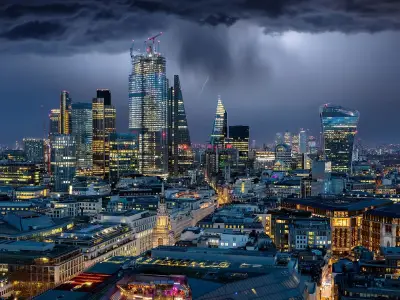
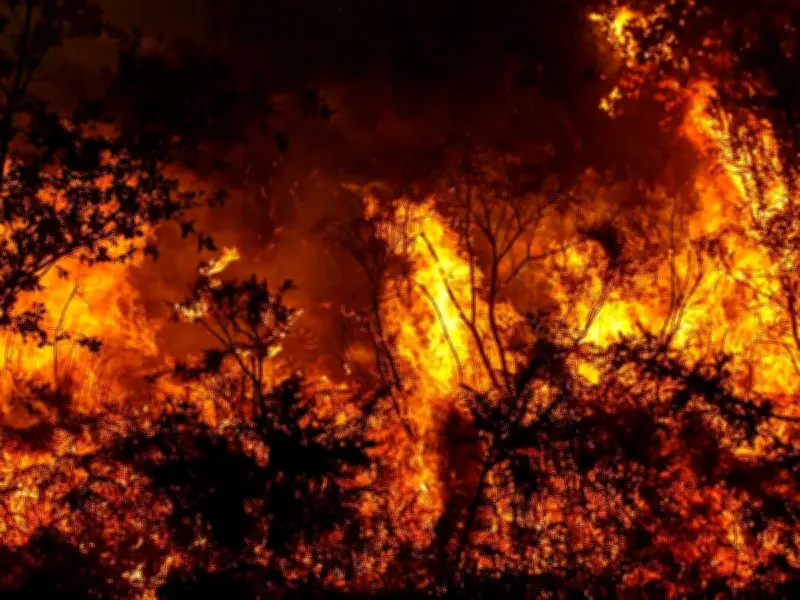
Mr Guterres cautioned of the frightening consequences of climate change, adding: "Major cities underwater, unprecendent heat waves, terrifying storms, widespread water shortages, the extinction of a million species of plants and animals - this is not fiction or exaggeration. This is what science tell us will resolve from our current energy policies."
The report cautions that to prevent the most devastating effects of climate change, worldwide CO2 emissions must hit their highest point within three years. The document does offer some hope, with the summary highlighting that mankind can cap global warming at 1.5C in a "viable and financially sound manner", Mr Guterres observes.
Fossil fuel criticism
He added: "Climate activists are sometimes depicted as dangerous radicals. But the truly dangerous radicals are the countries that are increasing the production of fossil fuels. Investing in new fossil fuels infrastructure is moral and economic madness."
Considering the document must be approved word by word by researchers and government representatives from across the globe, including nations that are significant oil and gas exporters, it's unusual for an IPCC study to explicitly criticise the energy transition. Nevertheless, Prof Myles Allen, Professor of Geosystem Science at Oxford University and Director of the Oxford Net Zero initiative, felt the report could have been more assertive.
She said: "Once again, the fossil fuel industry has played a blinder. At a time of rising carbon dioxide emissions, record profits, and a rush to license new oil and gas fields, all the headlines around the latest IPCC report are about how 'we' are going to have to change our behaviour and pay to scrub carbon dioxide back out of the atmosphere. How about 'they' - the industry - need to stop selling products that cause global warming - by safely and permanently disposing of all carbon dioxide generated by their activities and products by 2050? This would, of course, increase their costs - but gradually and predictably over the next 30 years by slightly less than their profits have increased over the past 9 months. Of course, the IPCC can't say this, but that doesn't make it any less true."