
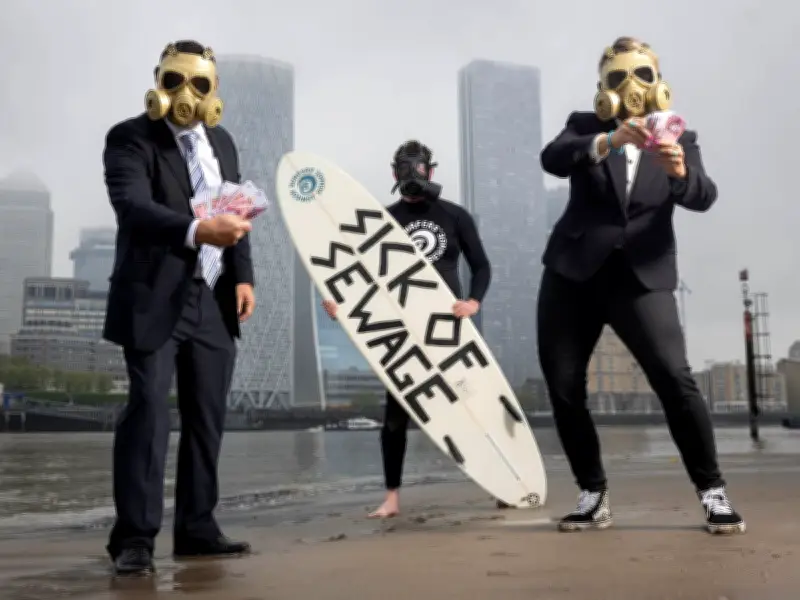
Hundreds of holidaymakers have reported falling ill after visiting some of the UK's 'best' beaches amid a growing sewage scandal. Figures collated by marine conservation charity Surfers Against Sewage (SAS) show it has received more than 700 reports of sickness across 406 areas of the UK.
Blue Flag beaches under scrutiny
This includes hundreds linked to prized coastal destinations awarded the coveted Blue Flag status, marketed as the gold standard. It is a globally recognised title meant to reflect top water quality, biodiversity and safety. But the latest claims have sparked fury that the label can give families a false sense of security.
SAS says it has logged 765 self-reported illness cases since the start of 2026, spanning 406 locations nationwide. Of those, 322 complaints were recorded since May 1, during a spell of heatwaves and unusually high temperatures when millions flocked to the sea to cool off.
Campaigners blame sewage discharges
Campaigners blame the illnesses on polluted water, pointing to the widespread use of 'storm overflows' by privatised water companies to dump untreated sewage into rivers and coastal waters, SAS said. While these discharges are legally meant to prevent sewage backing up into homes during torrential rain, critics say data has shown spills running for thousands of hours during dry weather and summer heatwaves.
That means swimmers and paddlers may have entered water contaminated with human waste and harmful bacteria such as E. coli - without realising until they became unwell afterwards. The charity said reported symptoms include acute gastroenteritis (stomach bugs), severe ear infections, ear, nose and throat problems, skin rashes and respiratory issues. Some people were reportedly so ill they needed emergency hospital treatment, LBC reported.
Worst affected locations
Affluent tourist hotspots were among the worst affected. SAS said the highest number of illness reports came from beaches in Bournemouth, where 16 people reported feeling unwell. The controversy has also highlighted what campaigners see as a key flaw in the Blue Flag system.
As per SAS, among the worst affected locations were: Portreath, Cornwall – 661 hours (rated Excellent); Mothecombe, Devon – 456 hours (rated Good); Allonby, Cumbria – 428 hours (rated Good); Pentewan, Cornwall – 391 hours (rated Excellent); Seaton, Cornwall – 349 hours (rated Excellent); Windermere, Rayrigg Meadow, Cumbria – 325 hours (rated Excellent).
Agencies respond
The Mirror contacted Keep England Clean and Keep Wales Clean, which administer the Blue Flag Awards to beaches in England and Wales. An Environment Agency spokesperson said: "We urge members of the public to follow UKHSA advice on swimming safely and to check Swimfo before visiting any of the country's 464 designated bathing waters."
"There are a range of sources of bacteria in our rivers, lakes and seas. These can include runoff from fields containing farm animals, as well as sewage treatment works and storm overflows, particularly following periods of heavy rainfall. Some bacteria can make people unwell." "Our waters are also home to a wide variety of wildlife, including birds and other animals, which naturally contribute bacteria to the environment and can affect water quality."
A Natural Resources Wales spokesperson said: "We want people to enjoy Wales' rivers, lakes and coastlines safely this summer. We monitor water quality at Wales' designated bathing waters throughout the bathing season, with results published online to help people make informed decisions about where and when to enter the water. Anyone who sees potential pollution should report it directly to us on 03000 65 3000 or online at naturalresources.wales/reportit, so our officers can respond."
"Natural water bodies can contain bacteria and other contaminants from a range of sources that are not always visible and can sometimes cause illness. We investigate reports of suspected pollution affecting rivers, lakes and coastal waters and work with partners, including water companies and local authorities, to establish the cause of incidents. Where there is evidence of environmental harm or breaches of environmental legislation, we take appropriate regulatory action. We encourage people to take sensible precautions when using open water, including avoiding swallowing water, washing or sanitising hands before eating, and seeking medical advice if they feel unwell after water activities. You can find advice here: Staying safe in outdoor water in Wales - Public Health Wales"
Testing gaps and political pressure
The Environment Agency and Natural Resources Wales grade bathing waters using periodic, scheduled testing - which may not capture sudden, unmonitored sewage dumps, the Times reported. As a result, families could be swimming at beaches rated 'Excellent' while pollution spills happen nearby. Public anger over the state of UK waterways has fuelled political pressure for tougher action.
The Government has announced tighter laws to punish water firms, push through major infrastructure repairs and deploy thousands of new inspectors, while former water executives face potential prosecution, Sky News reported.




