
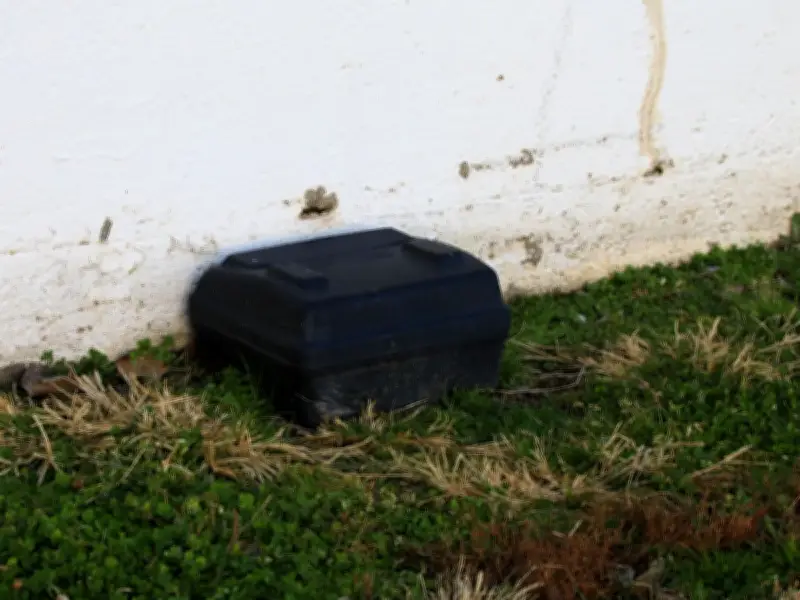
Radio 4's You and Yours has reported a sharp rise in pest-control call-outs for rats since June, with one expert telling the programme that demand is up 80 per cent in five years. The National Pests Technicians Association said rat call-outs were up 11 per cent in June compared with the month before.
Why 'humane' traps may not be humane
Steven Belmain, Professor of Ecology at the University of Greenwich, said many people use live traps because they do not want to harm rats. But he warned that moving a rat to a new location does not save it.
"In terms of welfare, I think a lot of people will be thinking 'I'm going to trap the rats alive and then let them go somewhere else. That way, they don't think they're actually harming the animal; there's some sort of welfare effect. What I would say is that when you take a rat from one habitat and you release it somewhere else, you're actually causing that rat quite a lot of stress. You've put it into a new place where it's not familiar with the surroundings, it's still going to have to find food and shelter. Unfortunately, even though there are good intentions, you're probably killing that rat anyway."
He added: "There are no really good ways of doing this - we have to kill them, and unfortunately, we can't just move them somewhere else. We want to stop them in the first place and that means stopping the food resources that they're feeding on. That's really the most welfare-friendly approach is to improve our sanitation."
Poisons and kill traps
Asked about poisons, Prof Belmain said: "It does take a few days." He said research was going into rodent contraception, but poisons remained the key method.
"We have different kinds of poisons. They do cause suffering, and that's unfortunate. Trapping might be more sustainable if they're killed quickly by a trap - so a kill trap that could be a very welfare-friendly method. But again not all traps are the same and being able to buy a trap in a shop doesn't necessarily mean that's a good trap in terms of both efficacy in catching the rat, but also in terms of welfare where it may not kill them quickly for example and that could also be quite distressing - if you trap a rat and it's not dead yet. It might take a while for it to actually die."
Climate change and breeding
Heatwaves are contributing to the problem. Nick Robertson from HF Pest Control in Tunbridge Wells, Kent, said: "Basically we don't have cold winters any more, so they're breeding all year round. I don't know when the last time we had a really cold winter. Last year I think it dropped under zero for about a week or two weeks, if that, so it's genuinely warm all year round now and climate change has caused a big problem with the increase of rats."
He said a number of methods previously available to pest controllers had been "taken away from us".
"We have to go down the non-poison route to start off with. So we'd start off with snap traps, if it's social housing we go for proofing which is to block the holes up to stop them entering the property, and just to try to improve the housekeeping of the general area."
"Poisoning is still in the methods we use, but we've got to go down the other methods first before we use poison. It's a last resort because when the rat dies that can cause a problem with the smell, the decomposing, but the main issue is to try to improve the housekeeping of area to stop the rats going into the area because they're only foraging for food basically."
Health risks
Prof Belmain was asked whether rats are a health hazard. He replied: "Oh yes definitely. So we've all just been through a pandemic caused by diseases transmitted by animals, so Coronaviruses we know came from bats, but rodents also transmit many many diseases. It's a very long list. In the UK we have issues with a disease called leptospirosis or Weil's disease and that is found in this country."
He said rodents can transmit food-borne illnesses such as salmonella and E. coli. "So if you had a rat in your house and it was in your kitchen cupboards you would really want to be worried about contamination of food that way. If people are going around picking up dead rats in their house, again, be careful wear gloves, wash your hands."




