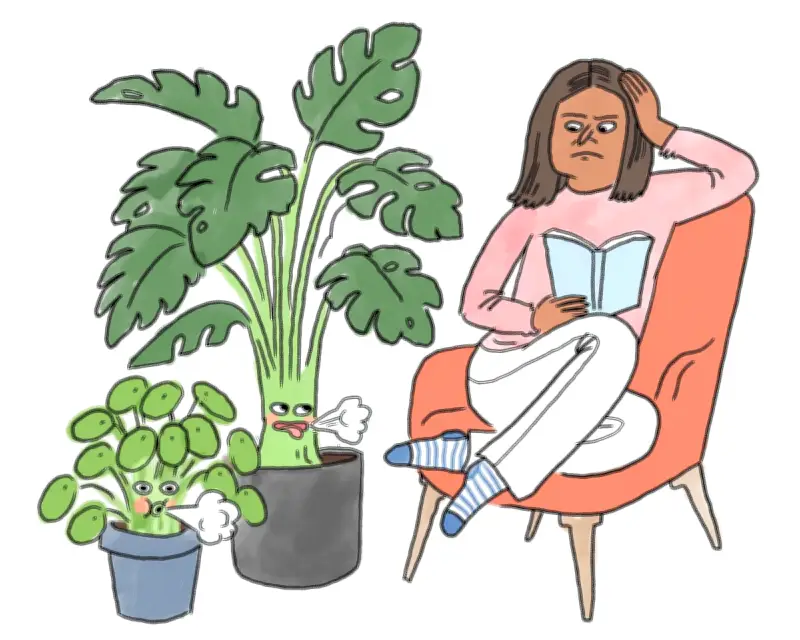
Houseplants do produce oxygen through photosynthesis, but the amount is far too small to meaningfully freshen the air in a home or office. To generate enough oxygen for a single person, a room would need hundreds of plants, according to John Tregoning, a professor at Imperial College London and author of Live Forever? A Curious Scientist's Guide to Wellness, Ageing and Death.
How Much Oxygen Do Plants Really Produce?
Tregoning explains that plants take in carbon dioxide and release oxygen when they photosynthesise. If there are enough of them, they should produce more oxygen than was initially present. However, the average plant produces only a few litres of oxygen a day, while a person consumes about 500 litres. "Quite a mad number of plants to have in a room," he says, adding that plenty of light is also needed for photosynthesis to take place.
The Risks of Too Much Oxygen
Tregoning cautions against trying to increase indoor oxygen levels indefinitely, noting that oxygen is "quite poisonous at high levels." He acknowledges that people are right to consider air quality in their homes and offices, as higher carbon dioxide levels can make you feel groggy, and poor ventilation can lead to faster transmission of colds and illnesses.
Ventilation Beats Plants for Fresher Air
Plants are not a substitute for good ventilation. To achieve cleaner, fresher air, the most important step is to ensure the air is regularly replaced, for example by keeping windows open. Still, Tregoning points to a 1980s study of patients recovering from surgery, where those in a ward overlooking trees self-administered less pain medication and recovered faster than those facing a brick wall, suggesting plants can have a beneficial effect on health.