Old CDs suspended on string can be a surprisingly effective pigeon deterrent, according to Pest Solutions. The reflective items move with the breeze, which the organisation says is "surprisingly effective at scaring off pigeons".
Why pigeons gather and how to deter them
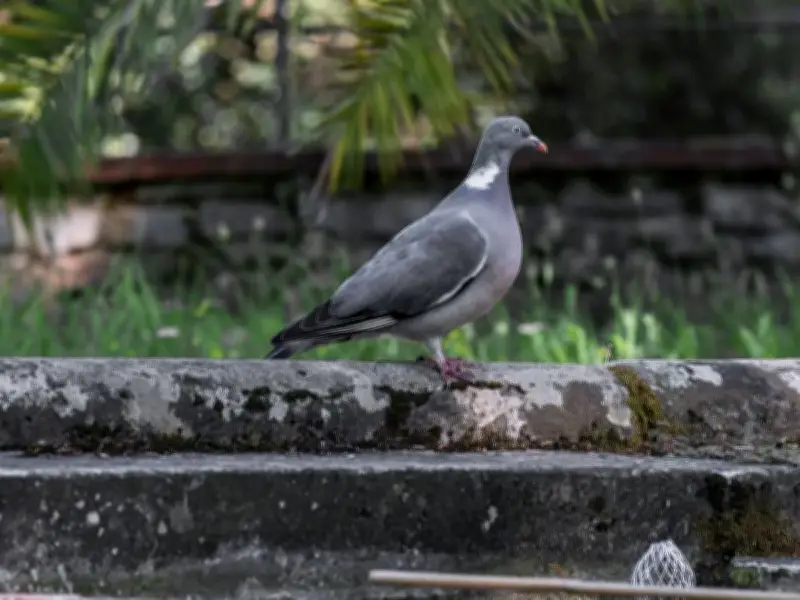
Pigeons are attracted to gardens for convenient access to food and water, or because the area provides a safe haven for resting. Cohabiting with them can become frustrating, as they stubbornly refuse to leave, persistently return to familiar nesting locations, and typically arrive in flocks.
While spooks, wire, gel, and trapping are common techniques used to remove pigeons, stringent animal welfare regulations mean these approaches can only be implemented by qualified pest control professionals. In the meantime, Pest Solutions has recommended several straightforward, harmless methods to stop pigeons from settling in your garden.
Decoys, scents, and netting
Another deterrent is decoy models of owls or other birds of prey. A model capable of producing realistic sounds will prove even more successful at keeping pigeons away, according to the organisation.
Pigeons are repelled by powerful scents. Placing pungent items such as cinnamon and hot black pepper sprays around your garden or balcony could prove effective. They are also believed to have a profound aversion to high-pitched sounds, making ultrasonic deterrents a reliable choice.
If you are most concerned about protecting plants and flowers, lightweight netting that sits gently over them can prevent pigeons from landing on or pecking at them without causing damage.
Professional advice and RSPCA view
Pest Solutions advises: "Bird scarers, ultrasound speakers, scarecrows, CDs and other DIY bird control methods only go so far. At the end of the day, the only guaranteed way to keep pest birds away from your property is to call in the pros and arrange a specialised pigeon control service."
Meanwhile, the RSPCA warns people not to worry about the presence of pigeons. Their website claims: "Pigeons are not pests but an important part of the ecosystem. They clean up scraps and waste (often left by humans), eat insects, aid pollination by transferring pollen on their feathers and beaks (called ornithophily, pollination by birds) and spread seeds as natural foragers. They're friendly, clean and intelligent creatures who are happy to live with humanity. So, where possible, we should welcome them into the wild spaces we care for, too."