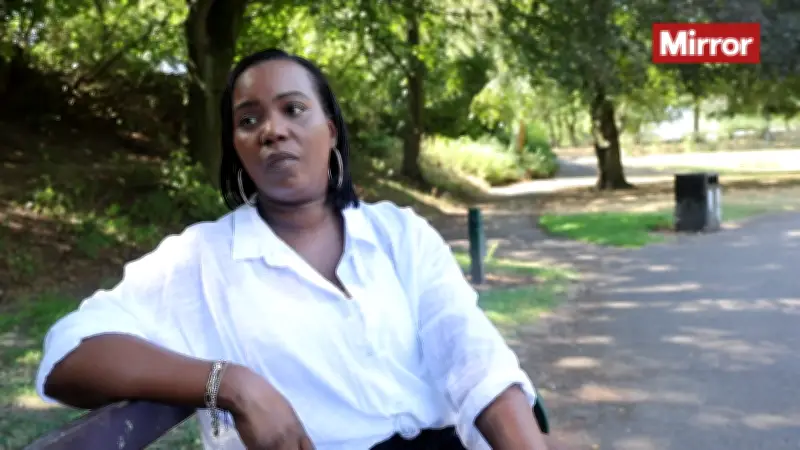
Sophia, a mother-of-six living with blood cancer, says this summer's record-breaking heat has been a long, dangerous nightmare. During Britain's fifth heatwave this week, she struggled to reach her immunotherapy treatment.
“I’m not really coping,” Sophia, from near Birmingham, told us. “It’s so difficult when the car is really, really hot, and you’re exhausted and tired.
“Living with multiple myeloma, I’ve got to be especially careful in the extreme heat. I get fatigued, dehydrated, and this isn’t good for my kidneys, especially while going through treatment.”

Daily life becomes impossible
Even simple chores, like hanging out washing, have become impossible. “My youngest is autistic so he needs particular care around getting hot,” she adds. “It can be overwhelming for him and he doesn't understand why he can't go outside.”
This week, climate sceptics have been vocal, many of them multi-millionaires for whom the changing climate is barely an inconvenience. Reform deputy leader Richard Tice, who has an estimated net worth of £40 million, prompted a backlash from nurses and other medical experts after telling people to focus on the upsides.
“When it’s a bit warm, let’s enjoy it,” he said. “And if it means that English wine and sparkling wine gets better and better, fantastic. That means we can take on the French – fantastic. Let’s celebrate some of these things rather than just be sort of doom and gloom about it.”
Unequal impact of heat
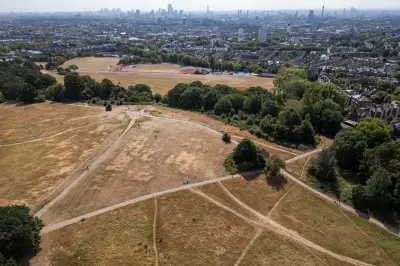
As 2026 became the first year on record when temperatures exceeded 35°C in May, June and July, Tice's words serve as a reminder that climate is a class and social equality issue. Around 52 million people in the UK experienced extreme heatwaves in the first half of the year, leading to an estimated 2,877 heat-associated deaths in England during the May and June 2026 heat events alone.
“For those at the sharp end of inequality, climate change can mean major health risks, uninhabitable housing, intolerable working conditions and additional costs that they can’t afford,” says Everyone’s Environment lead Ben Jackson.
“For a politician to deny and downplay the reality of climate change and extreme heat in this way is deeply concerning. It shows an astonishing lack of care about the extremely challenging – and sometimes life threatening - experience for many people across the UK.
“These comments show why the voices of those hardest hit by our changing climate and weather must be heard. Government action to help people deal with and adapt to its impacts is long overdue. We hope the searing heat of this summer is the turning point needed.”
Stories from the hardest hit
Resolution Foundation research shows 48 per cent of the poorest fifth of households in England live in homes at risk of overheating, compared with just 17% of the richest fifth. A Scope survey last year found that 75 per cent of disabled respondents said hot weather significantly impacted their condition. Analysis from Manchester University and Friends of the Earth found people from ethnic minority backgrounds are four times more likely than White people to live in areas highly vulnerable to heat.
Saul, 52, a trainee therapist from London, was forced to sleep in a communal corridor. “I’m in a tiny bedsit so I’m trapped,” he said. “It’s a very small space, there’s nowhere to go to get cool. I don’t want to cook because it heats up the whole place. I literally had to sleep in a corridor and I don’t think that has any dignity.”
Saul has autism and ADHD, and lives with anxiety and HIV. “I can barely breathe or sleep at night because of the stress of feeling trapped in my own home in extreme heat,” he says. “It affects me more because of my disability - my brain just shuts down. I had such a bad panic attack I ended up calling an ambulance.”
Laurel, 42, a consultant in health and social care who lives in Manchester, has had her health damaged by heat for the third summer in a row. Last summer’s high temperatures worsened her ME and other conditions so much that she now uses a wheelchair.

She has tried to adapt – setting up a ‘sofa work station’, reducing her hours, and socialising less. “1.35 million people in the UK have ME,” Laurel says. “Heatwaves are terrifying for us. I can’t regulate my body temperature. When the weather is over 28 degrees, there’s a real step change. The impact is dramatic and can cause lasting loss of function.
“This summer has been tough. I have had to ration my energy and movement, even sitting up is difficult, so I can’t take public transport. The high temperatures cause brain fog, confusion, memory problems.
“For most people, heatwaves can mean spending days, weeks or months unable to leave home or bed. Others need a liquid diet or suffer permanent impairment. The impact is on-going long after the temperature has cooled down.
“Previous heatwaves contributed to me needing a wheelchair now. For most people heatwaves are unpleasant – for disabled people they are truly life-threatening.”
Jo from the South-West of England, who has heart disease caused by a bone marrow transplant to treat leukaemia, says the rise in blood pressure caused by hot weather is most dangerous. “I don’t look forward to summer anymore – it’s scary now,” the counsellor and creative writing student says. “People are dying. Air conditioning could be a literal life saver for me – but I can’t afford it.
“I have stents in my heart, one which is now blocked, and live with refractory angina. Just walking makes me breathless and can bring on chest pain, and I am at a high risk of a heart attack or stroke.
“Like many others affected by heart disease, my heart conditions are worse in hot weather, as blood pressure rises and that means the heart has to work harder. I like being active and it’s good for my heart but I can’t get out and exercise.
“Hot weather increases the likelihood of hospital admissions for people like me – and many of the increased deaths during extreme heat are due to heart attacks. There have been all these excess deaths because of the heat. It’s made me feel very anxious.
“We need to look at climate again – it’s not just nature that’s being destroyed, it’s our health.”