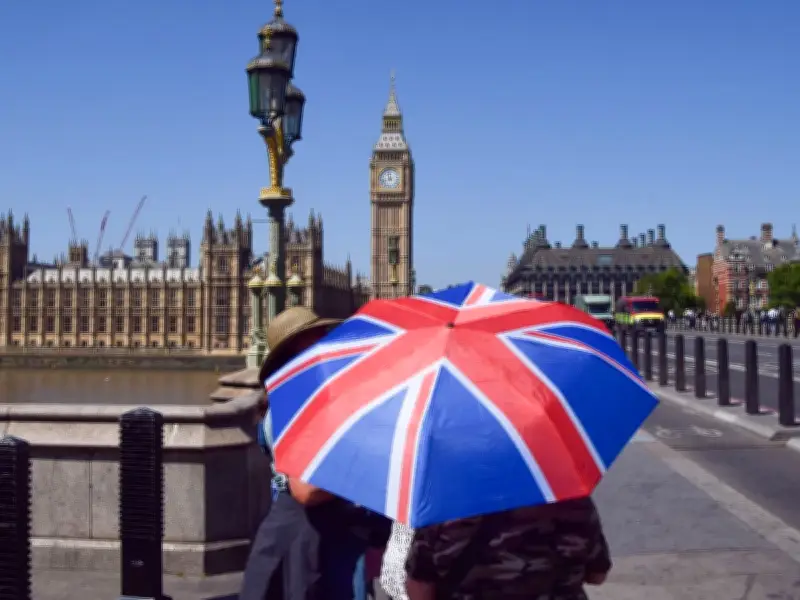
An estimated 2,700 people died from heat-related causes during the May and June heatwaves in England and Wales, according to new research from Imperial College London, the Met Office, and the London School of Hygiene and Tropical Medicine (LSHTM). The peer-reviewed study found that 42% of these deaths were attributable to the extra heat caused by human activity, primarily the burning of fossil fuels.
Record-Breaking Temperatures
The May heatwave saw temperatures reach 35.1°C over nine days, resulting in approximately 550 heat-related deaths. The June heatwave, with temperatures hitting 37°C over 11 days, led to around 2,200 excess deaths. Researchers compared actual mortality data with models simulating a climate without human-induced warming to estimate the impact.
Maximum daytime temperatures during these events were 3-4°C hotter than they would have been without climate change, the researchers warned. This increased the risk of heat exhaustion, heat stroke, stress on the heart and kidneys, and worsening chronic conditions such as heart disease, lung conditions, and diabetes. The heat also exacerbated mental health issues, violence, and drowning risks.
Climate Change Attribution
Dr. Clair Barnes from Imperial College London stated that 59% of May deaths (327 people) and 38% of June deaths (825 people) could be attributed to climate change. “Heatwaves are the most dangerous kind of extreme weather,” she said. “People need to be aware that we are now seeing dangerous climate-change fuelled heat that is claiming lives, disrupting schools and hospitals, and shutting down transport and infrastructure.”
The Met Office’s Dr. Mark McCarthy described the heatwaves as “exceptional,” noting that May temperatures were 15°C above average in England and Wales, and that night-time records were also broken. The June heatwave, which triggered red warnings for extreme heat on consecutive days, was notable for its humidity. “This combination of extreme daytime heat, high humidity, and hot nights all act to really contribute and increase the impact these heatwaves have on our infrastructure, transport, agriculture, and particularly on our health and well-being,” he said.
Urgent Need for Adaptation
Dr. Barnes called for urgent adaptation: “It’s time we woke up to the fact that we now live in a country with dangerously hot summers. To protect people during future extremes, we must urgently adapt to the reality of the climate we now have, and double down on global efforts to reach net zero emissions to stop this from getting worse.”
The Climate Change Committee has warned that the UK is unprepared for extreme heat, with 92% of homes potentially overheating by mid-century. It has called for maximum temperature rules in workplaces and air conditioning in hospitals, care homes, and schools.
Official Responses
The UK Health Security Agency (UKHSA)’s Professor Lea Berrang Ford said the estimates “provide an important indication of the potential health impacts of sustained hot weather. While they are not a measure of observed mortality, they help illustrate the scale of risk associated with extreme heat and the growing threat climate change poses to our wellbeing.” The UKHSA is due to publish its official interim analysis of heat-death impacts in the coming weeks.
Secretary of State for Energy Security and Net Zero, Ed Miliband, stated: “The Government will not leave our children and grandchildren to face the costs of climate breakdown and nature loss. That’s why we are working with others to drive action bringing energy security and lower bills, backing British businesses and creating good jobs, and protecting our home and countryside for future generations.”
Zack Polanski, leader of the Green Party of England and Wales, said: “These deaths are on the hands of politicians who have failed to act over the years. All those who put profit over the safety of the public by refusing to take real action to prevent the climate crisis – and are now failing to protect us from its impact. The message is clear: without action to protect people from extreme heat, we will see thousands more deaths in the years to come. Something must change.”
During the June heatwave, the London Ambulance Service had its busiest week in history, with a record number of life-threatening emergencies. Deputy Chief Paramedic Alison Blakely urged Londoners to “take the heat seriously, stay hydrated, and avoid strenuous activity such as running during the hottest parts of the day, as it puts extra strain on your heart and lungs.”