
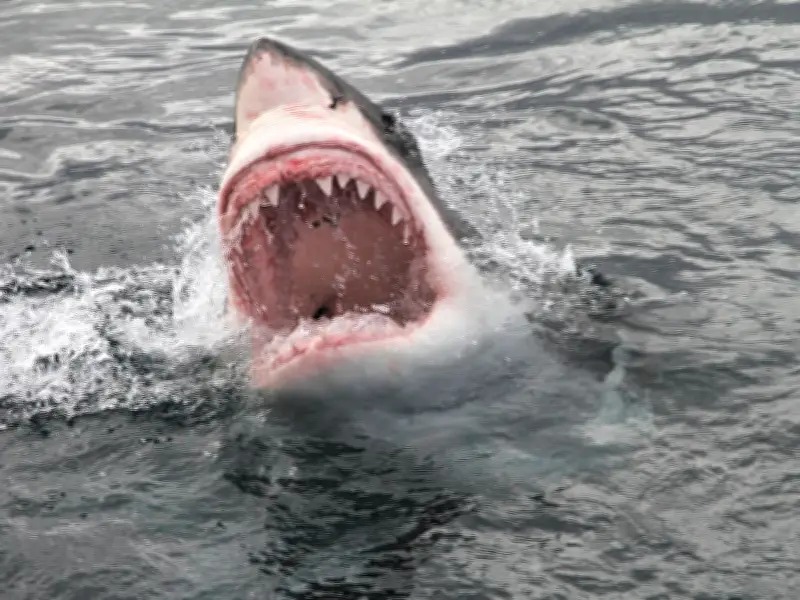
Great white sharks and toxic jellyfish could become a common sight at UK beaches as climate change warms the oceans, according to experts. Jim Dale, an oceanographer and founder of British Weather Services, told the Daily Mirror that rising sea temperatures are forcing marine species to migrate to find suitable conditions, potentially bringing dangerous predators to British shores.
Species Migration Due to Warming Seas
Dale explained that as waters warm, cold-water species like cod are moving north, while warm-water species such as jellyfish and sharks are expanding their ranges. “We're bound to see species die, and species pop up that ordinarily weren't there before,” he said. “For example, cod like cold water, so they tend to drift further north. Jellyfish like warm water, so we're swapping cods for jellyfish.”
Dale warned that great white sharks, hammerhead sharks, and box jellyfish could all be attracted to UK waters. “Everything that's in the Mediterranean, everything that's in and around the Canaries, they will be attracted to some of the foods that are in our seas. So the migration of these species, of the great whites and even box jellyfish, will increasingly affect us.”
Current Heatwave and Sea Temperature Rise
The Met Office reported last week that the ongoing heatwave has caused sea temperatures in some areas to be four to five degrees Celsius hotter than normal. With weather warnings issued across parts of the UK, the heatwave is expected to continue, highlighting the impact of climate change on daily life.
Dale noted that these changes could directly affect families. “When it starts to affect families on holiday, and you tell your kids you can't go in the sea, or you can't build sand castles on the sand, because the sea hits the beach and all the stuff in the sea will come onto the beach, it hits home. These sort of things will change the way that we think.”
Controversial Heatwave Death Estimates
In related news, the Daily Star reported estimates that the recent European heatwave may have caused up to 25,000 deaths. This claim, made by climate scientist Christopher Callaghan, has been disputed by other experts. Dann Mitchell, Professor of climate science at the University of Bristol, said: “Twenty-thousand for a single week seems very large. We’d have to look into details of the modelling to be more sure.”




