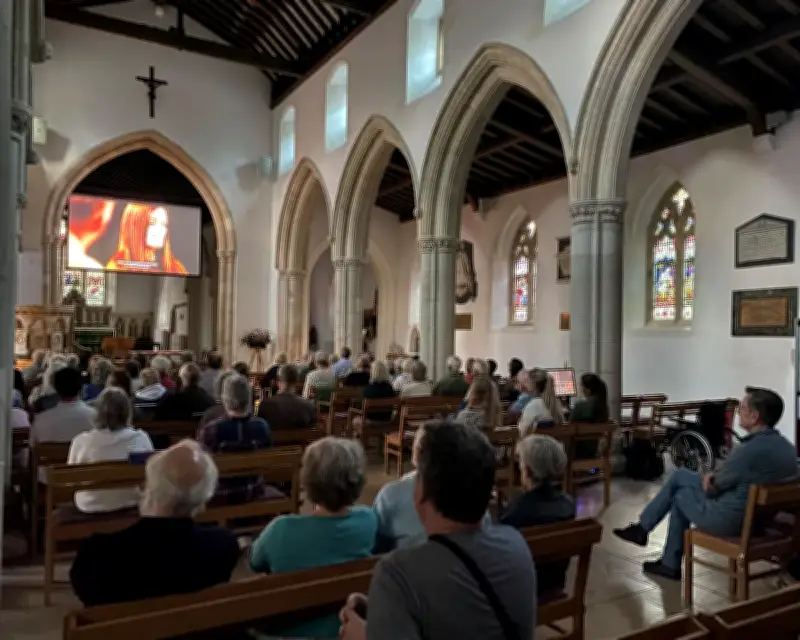
The People's Emergency Briefing, a grassroots film featuring climate experts, has held 2,789 screenings since April, with 1,395 more planned, aiming to turn climate anxiety into collective action. The film, which began as an in-person briefing to MPs in Westminster last November, demands that the prime minister convene a Covid-style primetime emergency briefing on the climate and nature crisis, led by independent experts.
From Westminster to village halls
The project was co-founded by Nick Oldridge, along with carbon footprinting pioneer Prof Mike Berners-Lee and TV environmentalist Chris Packham. After the initial briefing, the team crowdfunded to turn it into a film that anyone can register to screen in local venues. The 50-minute film, which the Guardian's newsletter describes as feeling like 15 minutes, sets out in plain language how global heating affects the UK economy, food, healthcare, nature, and national security.
The film's alarming but never alarmist message is that the climate is changing faster than expected and that the country is woefully unprepared. It avoids finger-wagging and scolding, instead calling for an emergency response equal to that of the pandemic or a war.
Watching together, Gogglebox-style
Unique to the film is how it is framed and watched. Oldridge explained: "We knew you can't just film people talking at podiums, so we decided: 'We'll do it like Gogglebox'." Members of the public sit on a sofa across from Packham and discuss what they've just watched. "This film has got to be watched in groups, people who experience it together and then talk about it, instead of the isolated way we usually consume media," said Oldridge.
Since the first community screening on 7 April, the film has become a word-of-mouth phenomenon. Anna Taylor, trustee of Wendover Climate Action, who organised a packed screening in Buckinghamshire, told the Guardian: "It's spurred me on so that, if nothing else, my kids will know I tried to make things better for them."
Breaking beyond the eco-bubble
Organisers encourage groups to invite local politicians to sit among the audience. The team is working to bring the film to wider audiences, including Quaker meeting houses, churches, the Women's Institute, hospitals, and even the Guardian. Oldridge said: "We first realised something was happening when we watched the booming community screenings. But now all these big brands are doing it too. You're always trying to break beyond the eco-bubble and I think we've got a very good chance of doing that now."
A major academic study of the film's impact will be published next month. Early findings suggest that every screening in a constituency makes its MP more likely to back a televised emergency briefing. "It's clear evidence that this model works for engaging politicians," said Oldridge. As one member of the public says on screen: "It's not as if we need to go off and invent all the solutions. They're right there. We just need to use them."