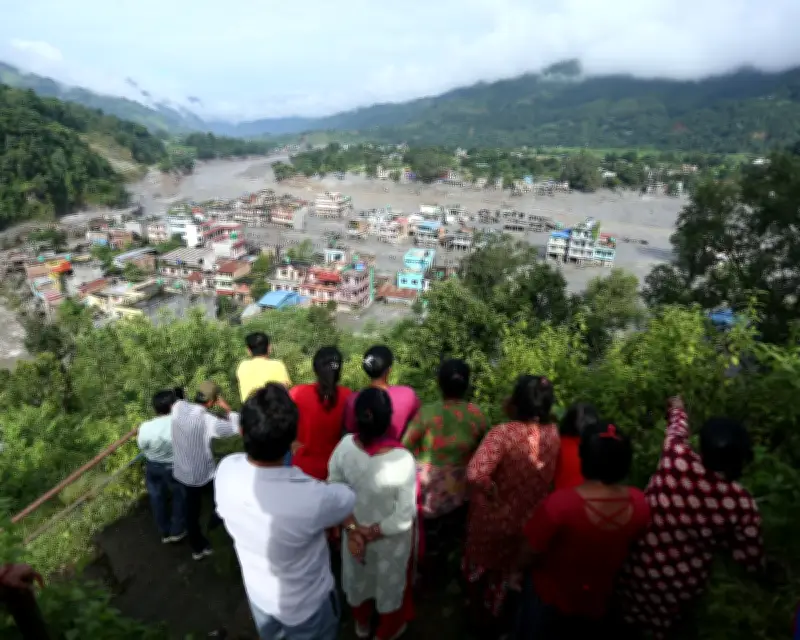
Glaciers in the mountain areas of Nepal and Tibet are melting at unprecedented rates, according to new research, posing a severe threat to water supplies for millions of people across Asia.
Accelerated Melting Rates
The study, published in a leading scientific journal, found that glaciers in the region have lost ice at a rate roughly twice as fast as the average for the rest of the world over the past two decades. The acceleration is attributed to rising global temperatures driven by the climate crisis.
Researchers used satellite data and field observations to measure changes in glacier mass across the Hindu Kush-Himalaya region, which spans Nepal and Tibet. They found that even the highest and coldest glaciers are now losing ice, a phenomenon previously considered unlikely in the near term.

Threat to Water Supplies
The melting glaciers feed major rivers, including the Ganges, Brahmaputra, and Indus, which supply water to over a billion people in South Asia and China. The research warns that continued melting could lead to severe water shortages in the coming decades, affecting agriculture, drinking water, and hydropower generation.
Local communities in Nepal and Tibet are already experiencing changes, with glacial lake outburst floods becoming more frequent. These floods, caused by the sudden release of water from melting glaciers, have destroyed infrastructure and homes in recent years.
Urgent Action Needed
The study emphasizes the urgent need for global action to reduce greenhouse gas emissions and slow the rate of warming. Without significant cuts, the researchers project that up to two-thirds of the region's glaciers could disappear by the end of the century.
The findings highlight the critical importance of the Paris Agreement goals, which aim to limit global warming to well below 2 degrees Celsius above pre-industrial levels. The researchers urge governments and policymakers to take immediate steps to mitigate the impacts of climate change on these vital mountain ecosystems.