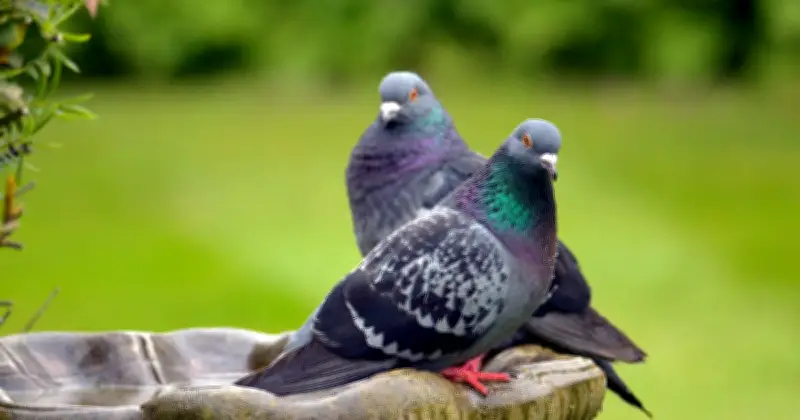
Pest control specialists at Safeguard have disclosed a simple solution for discouraging pigeons from gardens: hanging strips of tin foil. The reflective surface produces sudden flashes of light when struck by sunlight, which appears as rapid movement to a pigeon and unsettles the birds.
Why tin foil works against pigeons
Pigeons are accustomed to coexisting with humans, meaning they typically won't be frightened by many conventional deterrents that other birds generally dislike, such as loud sounds or scarecrows. However, they remain cautious of tin foil because the unpredictable flashing light leaves them feeling vulnerable or convinced a predator is nearby.
Safeguard said: "Choosing reflective surfaces to deter pigeons will take advantage of their natural responses, but it does not cause any distress. Reflective surfaces are more of a confusion to a pigeon - and will result in them simply nesting elsewhere."
How to use tin foil in the garden
Simply tie strips of tin foil to fences, trees, railings or any other spots in your garden where pigeons tend to congregate. Arranging them in strips allows them to flutter in the breeze, which further unsettles the birds, though you can also use the foil to cover any surfaces where pigeons regularly perch.
Tin foil is typically the most practical solution, though old CDs, pie dishes, or a reflective pinwheel purchased online can prove equally effective as a deterrent.
Limitations and additional tips
Pigeons are remarkably intelligent creatures, and while the tin foil technique is effective, they are known to determine it poses no threat within a matter of weeks. The method will prove considerably more successful if you reposition the foil around your garden every few days and combine it with additional deterrents such as netting or bird spikes.
Nevertheless, tin foil remains one of the simplest and most cost-effective solutions for keeping pigeons at bay, allowing you to fully savour the remainder of summer without the concern of unwanted bird droppings.