Gardeners are being urged to check their gardens for Japanese knotweed before September, as the invasive plant becomes most visible in August. The rapidly spreading plant can quickly take over sections of the garden and is notorious for propagating from minuscule fragments of its subterranean rhizomes.
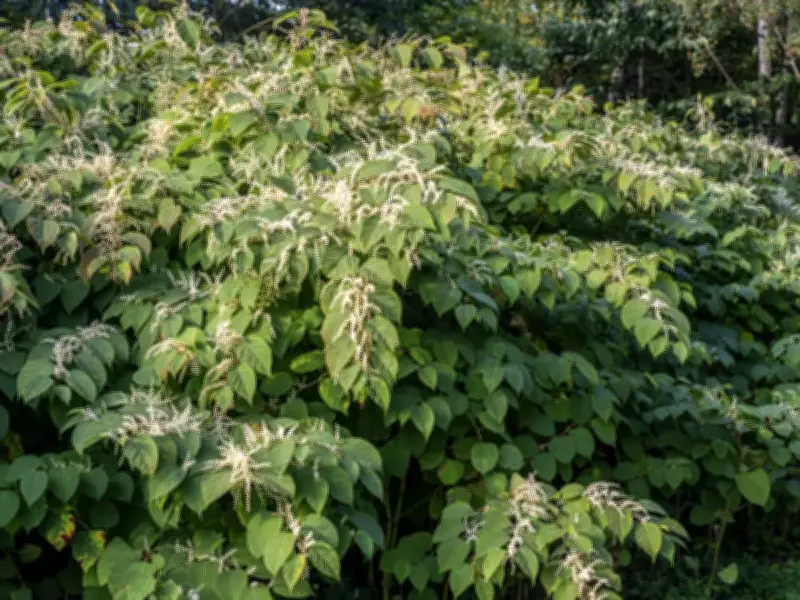
Japanese knotweed is most noticeable in August, when its towering, bamboo-like stems and creamy white flowers make established growth simpler to identify. The plant can cause issues beyond the garden boundary, including outcompeting native flora and penetrating fissures and other vulnerabilities in hard surfaces.
What Does Japanese Knotweed Look Like?
Japanese knotweed can be recognised by its bamboo-like stems and leaves positioned in a characteristic zigzag pattern, with creamy white flowers emerging in late summer. The Royal Horticultural Society (RHS) emphasises that proper identification is crucial because several other plants can and do appear similar.

The plant is classified as an invasive non-native species and is listed under Schedule 9 of the Wildlife and Countryside Act 1981. According to the RHS, its aggressive rhizomes enable it to establish thick clusters that can dominate native vegetation by competing for space, light, moisture and nutrients.
Why Is It a Problem?
It can also exacerbate pre-existing fractures and vulnerabilities in paving. Another factor requiring gardeners' vigilance is the plant's remarkably rapid spread. The RHS cautions that Japanese knotweed can regenerate from extremely tiny fragments of rhizome and stem, while rhizomes can lie inactive in the ground for extended periods.
This means that efforts to excavate it or dispose of it improperly could further spread the issue. Invasive plants can have serious consequences for a property, reducing a home's market value and preventing prospective buyers from securing a mortgage.
What Should Gardeners Do?
The RHS advises that the simplest and most successful approach to managing the plant is to employ a professional firm that specialises in Japanese knotweed. Gardeners must not, under any circumstances, place the plant in home compost, council green-waste collections, or household waste bins.
With August providing an ideal window to identify the plant, gardeners ought to inspect their borders, boundaries and zones surrounding sheds, fences and pathways before September arrives. Promptly identifying suspected Japanese knotweed and obtaining proper guidance is crucial to preventing it from becoming a far more serious issue.