
As milder temperatures encourage more people to spend time in their gardens, Britons may be contemplating which plants to cultivate outdoors. With such a vast array of choices, it can be challenging to determine which varieties will thrive in your outdoor space.
However, home insurance specialists are cautioning that some of Britain's most popular garden plants could put properties at risk. The specialists at Norton Insurance Brokers have highlighted several garden favourites and invasive species that can cause expensive property damage and, if not properly managed, lead to insurance claims being declined. Gardeners ought to be familiar with the legislation concerning these plants, should they have them.
Wisteria
Wisteria is a beautiful plant, but it presents concealed dangers that homeowners do not recognise until it is too late. Mark Wilkinson, managing director at the firm, said: Known for its elegant, cascading blooms, wisteria can be surprisingly aggressive behind the scenes. It grows quickly and develops thick, woody stems that twist around anything in its path. As the stems mature, they exert pressure on walls, gutters and rooflines, gradually widening gaps and creating potential entry points for water and frost damage.
When left unchecked, wisteria can even displace roof tiles or guttering. The specialist added that when it is too close to a property, its root network can even disrupt underground drainage systems.
Bamboo
Once it takes hold, bamboo's underground root system expands rapidly, occasionally spreading several metres away from where it was originally planted. It has the potential to dislodge paving slabs, damage driveways and in more serious instances, even push up through floorboards inside the house.
The expert said: Bamboo is not specifically excluded from all insurance policies yet. However, insurers usually classify damage from plants as gradual and preventable. If it is determined that the bamboo was planted deliberately or allowed to spread unchecked, any resulting damage may not be covered, with claims potentially rejected due to poor maintenance.
At present, there is no legislation prohibiting its cultivation, but there are legal obligations, according to the expert. If your bamboo spreads onto a neighbour's land and causes harm or disruption, you could face liability under a civil nuisance claim.
Japanese knotweed
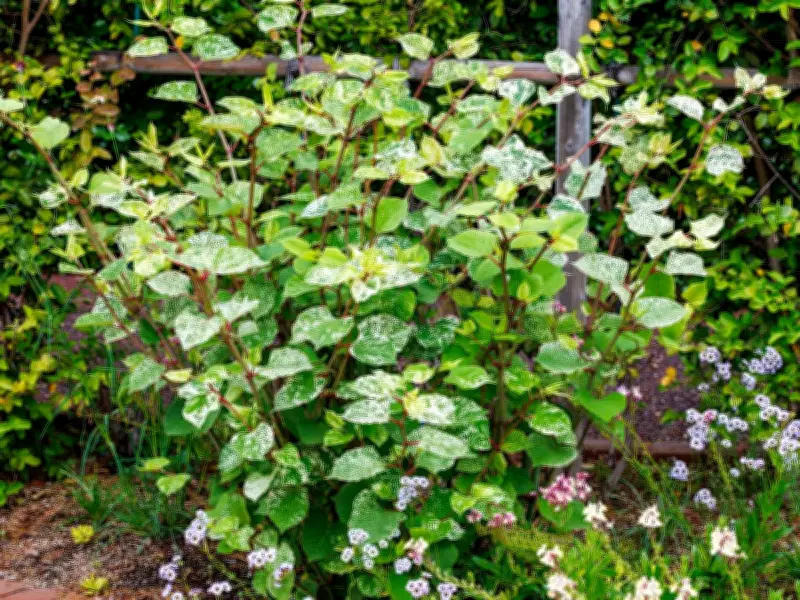
Japanese knotweed remains the most recognisable plant associated with property risk, known for its rapid spread. It can grow through cracks in paving, walls and drainage systems, and is widely associated with concerns around property sales and mortgage lending.
The expert said: Japanese knotweed can create legal and financial issues if it is allowed to spread to neighbouring land. Homeowners selling a property may also need to disclose known knotweed issues, and buyers, lenders and insurers will usually want to understand whether a treatment plan is in place.
English ivy
English ivy is a familiar feature on British properties and garden walls, cherished for its year-round greenery. However, ivy is well-known for causing harm to the structures it attaches itself to. Its tiny roots possess remarkable strength, able to penetrate cracks and mortar joints.
The expert said: Insurers typically see damage caused by ivy and other creeping plants as a maintenance issue rather than a sudden, insurable event. If ivy contributes to structural damage, a claim may be refused on the grounds of neglect. Regular trimming and keeping ivy away from the main structure is strongly advised.
There is also a potential legal complication to consider. Ivy provides shelter for nesting birds, and under the Wildlife and Countryside Act 1981, it is illegal to damage or destroy any active wild bird's nest. If you are thinking of removing ivy, always check for nesting activity, especially during spring and summer.




