Psychologist Dr Candice O'Neil has shed light on the disturbing phenomenon of sadistic pet killers in the UK, explaining that such cruelty often stems from deeper psychological issues. She noted that intentional harm to animals can be linked to psychopathy or antisocial personality disorder, as well as a desire for power and control. Her comments come amid a number of harrowing cases that have shocked the nation.
One of the most notorious cases is that of Steven Bouquet, the so-called 'Brighton cat killer'. The former Royal Navy gunner and security guard carried out a reign of terror between October 2018 and June 2019, killing nine cats and injuring seven others. He was eventually caught after CCTV set up by the owner of one of his victims captured him stroking a cat before stabbing it. In July 2021, he was found guilty of 16 counts of criminal damage and possession of a knife, and jailed for five years and three months at Hove Crown Court. Sentencing him, Judge Jeremy Gold QC described his actions as 'cruel, sustained and striking at the very heart of family life'.
The emotional toll on pet owners was evident in court. Emma O'Sullivan, whose cat Gizmo was killed, told the court: 'I miss Gizmo every day. After it happened I could not sleep. I spent many months in therapy working through what had happened.' Katerine Mattock, owner of Alan, said: 'This was a murder of an innocent and much-loved cat called Alan. Alan was my family. He made my house a home.' It was later announced in January 2022 that Bouquet had passed away at Maritime Medway Hospital, having been diagnosed with thyroid cancer which had spread to his liver and lungs.

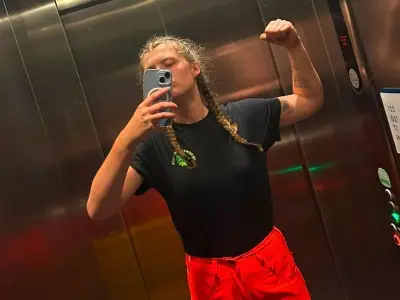
In a separate case, Scarlet Blake horrified the nation after live-streaming herself torturing and killing a neighbour's pet cat in March 2021. Blake lured the black cat into her home using a cat basket and food, before using scalpels and surgical gloves to inflict unimaginable suffering. Footage showed the cat being placed in a ligature and cut with a scalpel, with Blake telling her victim: 'Here we go my little friend … I can't wait to put you through the blender.' She then placed the animal in a blender while the New Order track 'True Faith' played in the background. Blake later escalated to the murder of a human being.
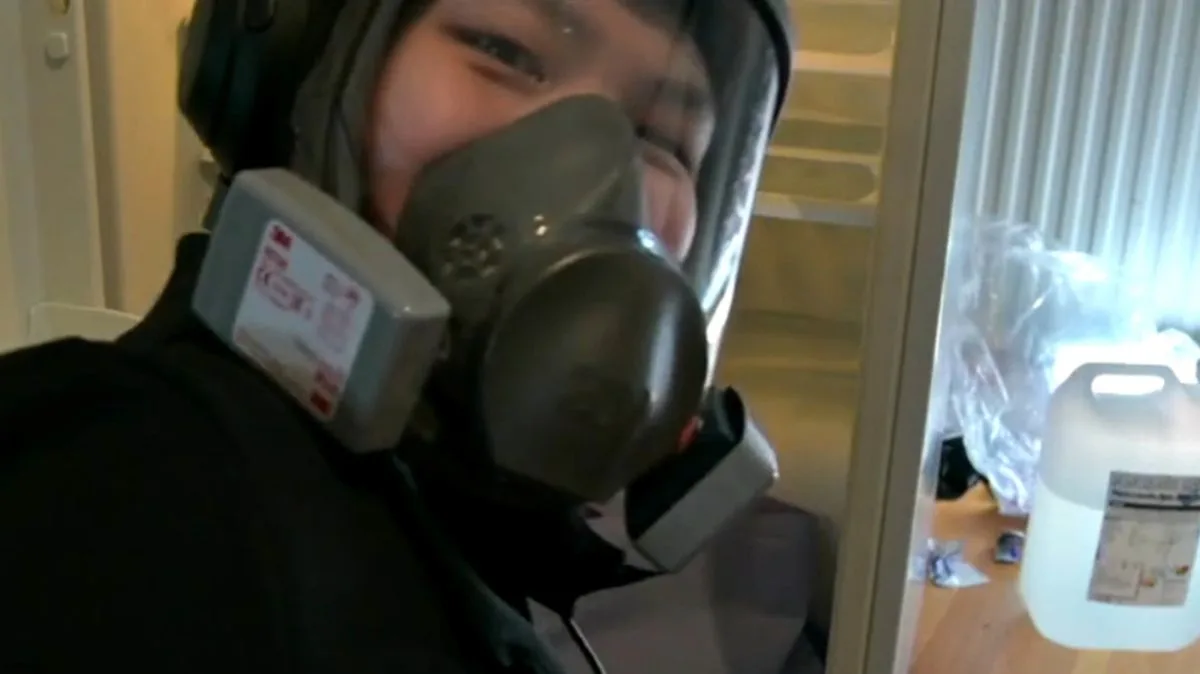
Prosecutor Alison Morgan KC highlighted the significance of the song choice, noting that it was used by Canadian killer Luka Magnotta, the subject of the documentary 'Don't F*** with Cats', who filmed himself asphyxiating kittens. Morgan warned: 'The documentary progresses on to show how that person goes from killing kittens to murdering a human being.' This escalation underscores Dr O'Neil's analysis that individuals who intentionally harm animals may have dysfunctional relationships with humans, poor social skills, and low self-esteem. She explained that such individuals often place little to no value on animal welfare.