
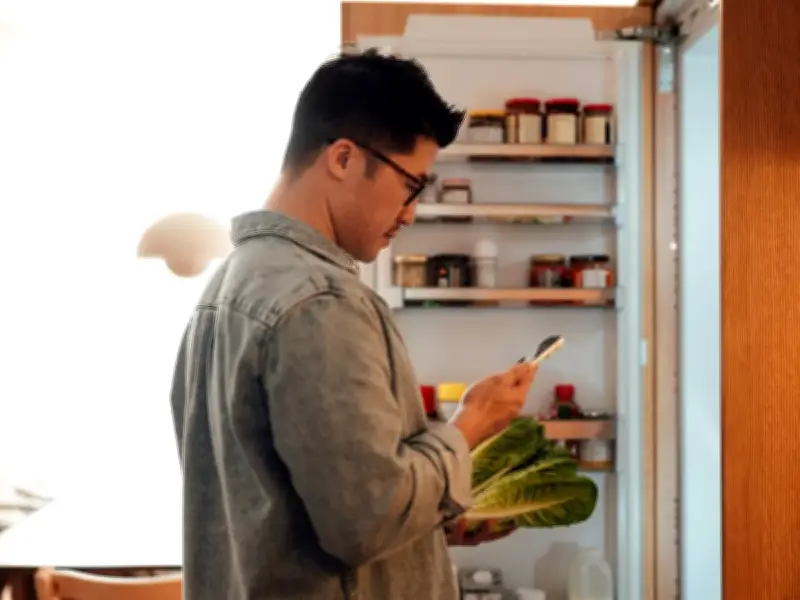
Food waste expert Kate Hall has shared a list of foods that are commonly stored incorrectly, offering fridge storage tips to help cut down on food waste and keep food fresher for longer, especially during Britain's heatwaves.
Surprising foods that belong in the fridge
According to research by premium biscuit brand Bahlsen, 86% of Brits admit they store more food in the fridge during the summer, while 68% confess that some items have gone off quicker than expected. Hall has compiled an extensive list of foods she believes are commonly stored in the wrong place.
She said: "Food storage isn't as straightforward as many people think. We often make decisions based on habit or what our parents did, but factors such as temperature, humidity and exposure to light all affect quality. Some foods that people instinctively leave in the cupboard actually benefit from refrigeration, while others lose flavour, texture or quality if they're kept too cold."
Although eggs can be kept at room temperature in the UK, Hall suggests they will "stay fresher for longer" in the fridge, maintaining a consistently cool temperature as weather changes. Potatoes, traditionally kept in cupboards due to acrylamide concerns, can last "up to three times longer" in the fridge, with slower sprouting and spoiling, a point disputed by the Food Standards Agency.
Apples continue to ripen after being picked, gradually turning softer and less juicy; keeping them cool helps them remain crisp and fresh for longer. All condiments should be refrigerated once opened to preserve colour and flavour, including ketchup, mayo, and soy sauce, especially if not used regularly.
Nuts and other surprising items
Nuts, whose unsaturated fats are susceptible to oxidation when exposed to heat and oxygen, can turn rancid, but fridge or freezer storage slows this process. The complete list of foods that should ideally be kept in the fridge includes apples, seeds, wholemeal flour, citrus fruits, potatoes, peppers and chillies, fresh herbs, berries, cucumber, cut melon and tropical fruit, condiments and sauces, jams and marmalades, chutneys and pickles, pure maple syrup, soy sauce, eggs, butter, chocolate-covered biscuits, and crisps.
Hall also provided a list of foods that should not be automatically refrigerated, including tomatoes and bread. She explained: "Refrigeration can dull the taste of tomatoes and leave them with a mealy texture. If they are at risk of becoming overripe, you can store them in the fridge for a day or two and let them come back to room temperature before serving, but where possible, they’re best kept at room temperature."
As for bread, while refrigeration helps it last longer and prevents mould, it makes bread go stale quicker. She advises storing it in a bread bin or cool cupboard, or freezing it if not eaten in time.




