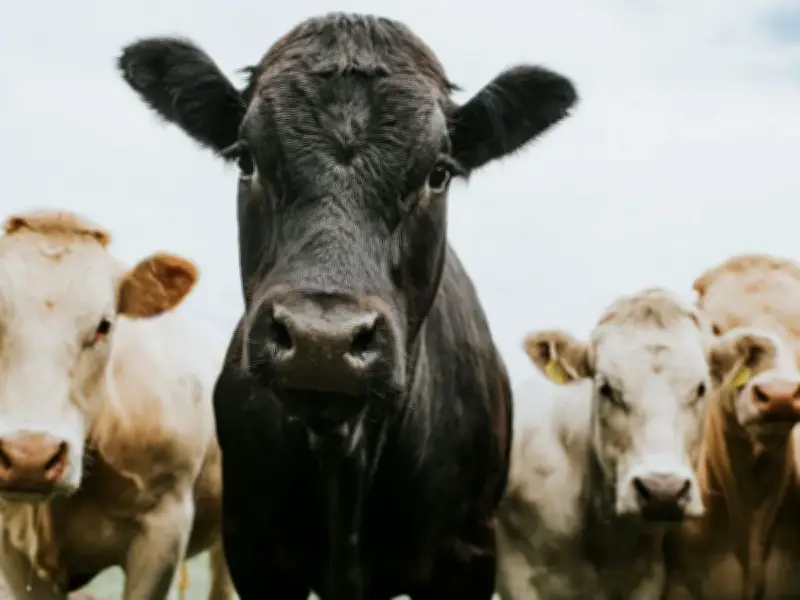
The first case of the potentially deadly bluetongue virus has been confirmed in a cow in Scotland. The animal tested positive on a farm in Dumfries and Galloway, according to the National Farmers Union Scotland.
Fourth farm affected in Creetown area
It is the fourth farm to be affected by the virus in the Creetown area, reports the BBC. The Record previously reported that bluetongue was detected on two farms in south-west Scotland since the start of the month.
The disease, affecting ruminant livestock like sheep and cows, was first detected in a farm in Scotland on August 8. A single sheep was affected. A second case of bluetongue serotype 3 (BTV-3) was confirmed in two sheep on a different farm on August 12, the chief veterinary office confirmed.
According to the BBC, the disease was also confirmed in a lamb on a third farm last week.
Restrictions and testing
The Scottish Government confirmed the initial two farms have been put under restrictions, and all affected animals have been euthanised.
The virus is transmitted by insects like midges and experts believe an infected plume has brought the virus to Scotland from outbreaks in Northern Ireland, the Republic of Ireland, Isle of Man or the north of England.
NFU Scotland said more than 100 animals had been tested in the area around Creetown, with all other results coming back negative. They said it may be around a week before they know whether the disease is circulating.
It said the Scottish Government does not intend to introduce a disease control zone at this point "as it currently considers prevalence to be low".
Impact and response
Bluetongue only affects animals, and does not affect humans or food safety. Symptoms include nasal discharge, redness and swelling of the lips, nose and muzzle, lameness or reluctance to stand, decreased milk production and diarrhoeas in cattle.
The disease is also notifiable – meaning any suspected cases in Scotland are legally required to be reported to the Animal and Plant Health Agency.
There have been 447 cases of bluetongue serotype 3 (BTV-3) in the UK in the current season, according to figures published by the Department for Environment, Food & Rural Affairs, external on Sunday.
This includes 430 in England and 13 in Wales. Vets in Scotland have reported a surge in demand for vaccinations since the first case involving a sheep on a farm in Dumfries and Galloway was confirmed.