
Fabric softener can stop dust from clinging to blinds and windowsills by creating an invisible anti-static barrier, according to a cleaning expert. The simple household item helps keep window areas cleaner for longer, especially during summer when dry air increases static electricity.
Why dust sticks to windows in summer
Summer pollen can quickly leave windows looking filthy, and blinds and wooden frames are equally susceptible to dust build-up. Reduced humidity means dust particles remain airborne for longer, finding their way into homes. Dry air also encourages static electricity to accumulate, particularly around blinds and windowsills, which are often made from materials prone to becoming electrically charged.
This means that no matter how diligently surfaces are wiped, a persistent grey film keeps returning, making them notoriously tricky to keep spotless.
The fabric softener solution
Carrie Higgins, a stay-at-home mum and creator of Making Lemonade, has revealed the solution: a light spritz of fabric softener. She said: "Fabric softener is the secret ingredient in this dust-repelling spray because it creates an invisible, anti-static barrier on blinds, preventing dust from clinging as quickly."
She added: "Just like it reduces static in clothing, it helps blinds stay cleaner for longer by repelling airborne particles that would otherwise settle on the surface."
Static electricity acts as a magnet, drawing in fine particles from the air, which explains why dust readily clings to wooden or plastic surfaces. Fabric softener contains anti-static surfactants designed to stop garments from clinging together during a wash cycle. Wiping down a surface with fabric softener eliminates static build-up and leaves a thin protective coating.
How to make the dust-repelling spray
To keep window blinds cleaner for longer, you will need one teaspoon of liquid fabric softener, 120ml of white vinegar, 240ml of water, and a microfibre cloth, which traps fine dust particles. A fuzzy cotton sock will also work. White vinegar, a natural acid, breaks down existing dust, while fabric softener prevents dust from settling again.
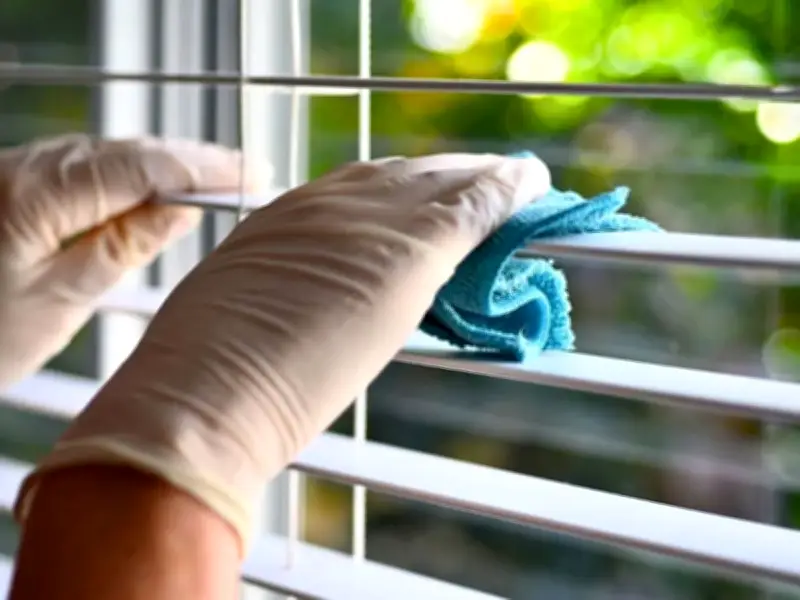
Method: Close the blinds fully so all slats face the same direction. Pour the ingredients into an empty spray bottle and shake thoroughly before each use. Spritz a small amount onto the uppermost blinds. Using a microfibre cloth or fuzzy sock, clean each slat individually, working from the top downwards to avoid damage.
If stubborn stains remain, let the mixture sit for about five minutes to allow the vinegar to break them down, then wipe away. Pat the blinds dry with kitchen roll, and they should remain cleaner for considerably longer than usual.




