EPA Reapproves Dicamba Weedkiller for Five-Year Period
The US Environmental Protection Agency (EPA) has officially reapproved the use of dicamba, a highly controversial herbicide, for a duration of five years. This decision comes after extensive review and amidst ongoing legal battles that have questioned the environmental safety and agricultural efficacy of the chemical.
Background and Regulatory History
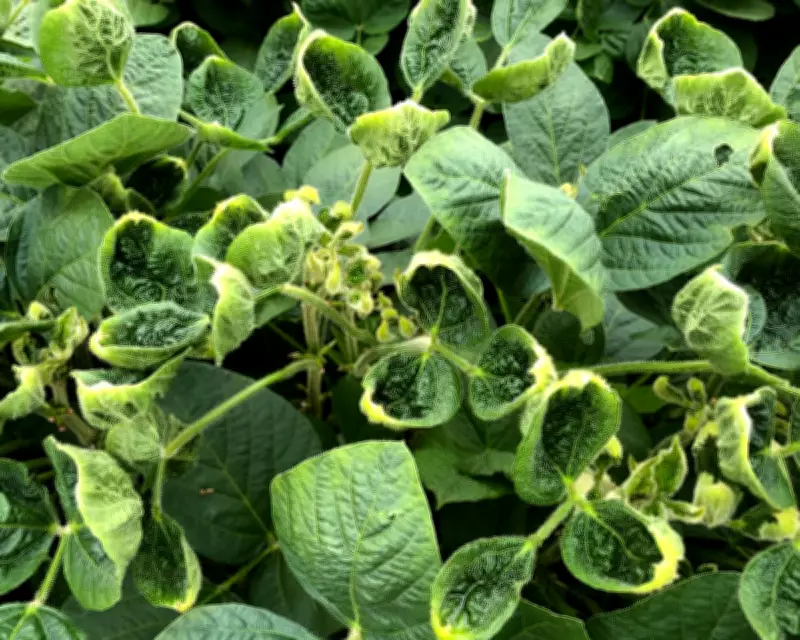
Dicamba, a weedkiller primarily used in agriculture to control resistant weeds, has been at the centre of significant debate due to its potential for drift, which can damage neighbouring crops and ecosystems. The EPA's previous approvals have faced multiple court challenges, leading to temporary bans and restrictions. In this latest move, the agency asserts that new safeguards and application guidelines have been implemented to mitigate risks, though critics argue these measures may be insufficient.
Environmental and Agricultural Concerns
Environmental groups and some farmers have expressed strong opposition to the reapproval, citing concerns over dicamba's impact on non-target plants, wildlife, and water sources. Studies have linked the herbicide to crop damage and biodiversity loss, prompting calls for stricter regulations or outright bans. Proponents, including major agricultural corporations, contend that dicamba is essential for modern farming practices, helping to combat weed resistance and boost crop yields in an era of increasing food demand.

Legal and Policy Implications
The reapproval is likely to reignite legal disputes, with environmental organisations already preparing to challenge the decision in court. This action highlights broader tensions between regulatory agencies, industry interests, and public health advocates in the United States. The EPA's move may also influence future pesticide policies and set precedents for how similar chemicals are evaluated and managed under federal law.
As the debate continues, stakeholders from all sides are closely monitoring the implementation of dicamba's new usage rules and their real-world effects on agriculture and the environment.