Indigenous leaders have warned that the global push for cleaner energy must not be used as a new excuse to exploit their territories. Addressing the first world conference on phasing out fossil fuels, in Santa Marta, Colombia, they said the economic, security and climate benefits of renewables should not come at the expense of well-protected natural environments, especially as high oil prices and war in the Middle East have increased interest in green technology.
The conference has been arranged outside a UN process that has become so hamstrung by industry lobbyists that the final declaration of the most recent Cop30 in Brazil could not even mention the words "fossil fuels". It aims to create a "coalition of the ambitious" and inject fresh momentum into flagging global climate negotiations. More than 50 countries, dozens of subnational governments and thousands of civil society representatives are taking part.
Research published at the conference by the International Institute for Sustainable Development showed that fossil fuels received $1.2tn in subsidies and other public support in 2024, compared with $254bn for clean energy. Angela Picciariello, a senior researcher at the IISD, said: "Governments need to stop making the same mistakes and expecting different outcomes. When energy prices spike, the instinct is often to spend more public money on fossil fuels. But that approach is costly, hard to unwind, and leaves people exposed to the next crisis. The better option is to protect households in the short term while using public finance to scale up renewables and build more resilient energy systems over time."
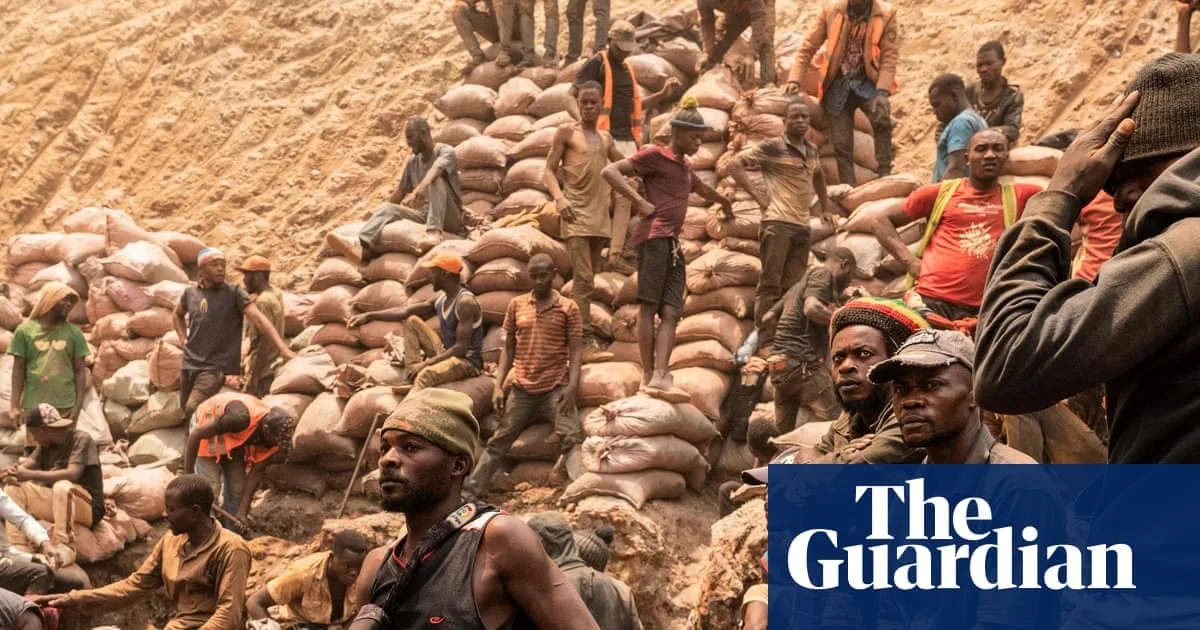
Indigenous participants described how fossil fuel extraction had already damaged their land and way of life. "When extractivists move in, they don't just destroy nature, but also our way of living," said Luene Karipuna, an Indigenous leader in the Brazilian state of Amapá. Several speakers also cautioned that the transition to wind turbines, solar panels and electric car batteries could bring new threats, as renewable technologies rely on mined critical minerals. "It is not just about fossil fuels. Because after that, what is next? They will find some other reason to come after our land and minerals," said Patricia Suárez of the National Organization of Indigenous Peoples of the Colombian Amazon. "We can't cut out one problem just to open the door to another. We need to say no to fossil fuels and no to mineral extraction in the Amazon."
Others argued that the transition must be about more than energy. "The transition should be towards standing forests and fresh water," said Gregório Mirabal of the Kurripako Indigenous People from Venezuela. "If we don't change this [current economic] model of death, we will be left without water, without health." Irene Vélez Torres, director of the Colombian National Environmental Agency, said extractivism had left deep wounds in Indigenous territories and that avoiding or healing those wounds would be part of the discussions. Indigenous groups held their own forum on Sunday, with suggestions to be fed into the main "People's Summit" document before high-level ministerial meetings begin on Tuesday.