UK Security at Risk from Ecosystem Collapse, Warn Intelligence Chiefs
Ecosystem Collapse Threatens UK Security, Warn Spies

Intelligence chiefs in the United Kingdom have issued a stark warning that the destruction of global ecosystems poses a direct threat to national security. A newly released report highlights how the collapse of vital natural systems could lead to severe food shortages, widespread disorder, and mass migration, with impacts already being felt across the country.

Immediate Risks to Food Supplies and Stability

The report, which applies military intelligence techniques to assess the biodiversity crisis, indicates that some critical ecosystems might face collapse within the next five years. This would jeopardise the UK's prosperity and safety, as the nation relies heavily on imports for food. Without significant increases in resilience, the UK could struggle to compete with other countries for scarce resources, undermining food security.

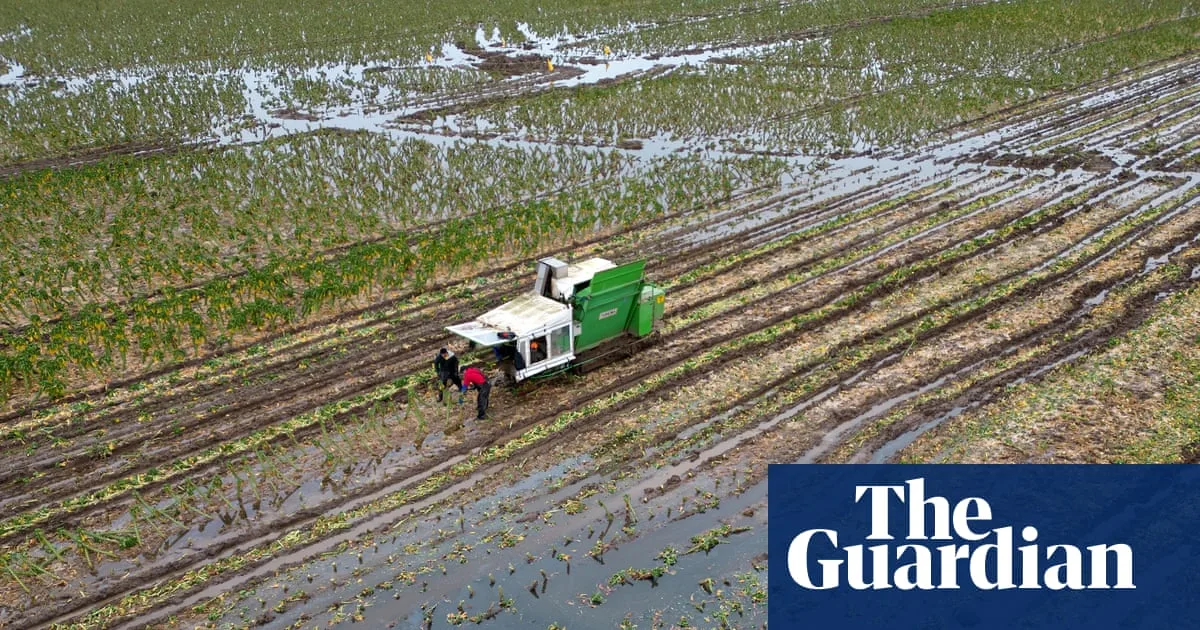
Many of these dangers are no longer theoretical. Crop failures, such as the flooded Brussels sprouts harvest in Lincolnshire in 2024, intensified natural disasters, and outbreaks of infectious diseases are already occurring. These events are set to worsen, potentially resulting in geopolitical instability, economic insecurity, and increased competition between states for dwindling resources.

Key Ecosystems Under Threat

The authors identified several hotspots as particularly significant for UK security, including the Amazon and Congo rainforests, boreal forests, the Himalayas, and coral reefs and mangroves in south-east Asia. Some of these, like coral reefs and boreal forests, could start collapsing as early as 2030, while others might take until 2050. Scientists have noted that the Amazon is already showing signs of shifting faster than anticipated.

Severe degradation or collapse of these ecosystems would likely lead to water insecurity, drastically reduced crop yields, fisheries collapse, changes to global weather patterns, and the release of trapped carbon, exacerbating climate change. Additionally, it could spur novel zoonotic diseases and loss of pharmaceutical resources.

Government Response and International Efforts

The report, originally slated for publication last autumn but delayed by Downing Street, is attributed to the Department for Environment, Food and Rural Affairs. However, it is understood that the Joint Intelligence Committee, which oversees spy agencies MI5 and MI6, played a key role in its creation.

Ruth Chambers, a senior fellow at the Green Alliance thinktank, emphasised that this assessment should be essential reading for the government. She urged a renewed focus on meeting targets to reverse the decline of UK nature and cautioned against backing away from international biodiversity efforts, such as contributions to funds for rainforest conservation.

Currently, ministers are debating future spending to assist poor countries in coping with the climate crisis and stemming nature's decline. The current pledge of £11.6 billion from 2021 to 2026 is set to expire, and insiders suggest that funding might be substantially cut, with ringfencing for nature projects potentially ending.

Calls for Action and Investment

Former climate and nature minister Zac Goldsmith warned that shifting priorities away from nature towards a narrow focus on carbon would have serious implications for safety and prosperity. He expressed hope that the report would force a reversal of this trend.

David Exwood, deputy president of the National Farmers' Union, stressed the need for financial support to help farmers invest in environmental improvements and food production. With an increasingly volatile geopolitical and climatic situation, relying on imports is unsustainable, making investment in national food security a priority.

A spokesperson for the Department for Environment, Food and Rural Affairs stated that understanding the threats from biodiversity loss is crucial to meeting them head-on, and the report's findings will inform future actions to prepare for challenges ahead.