
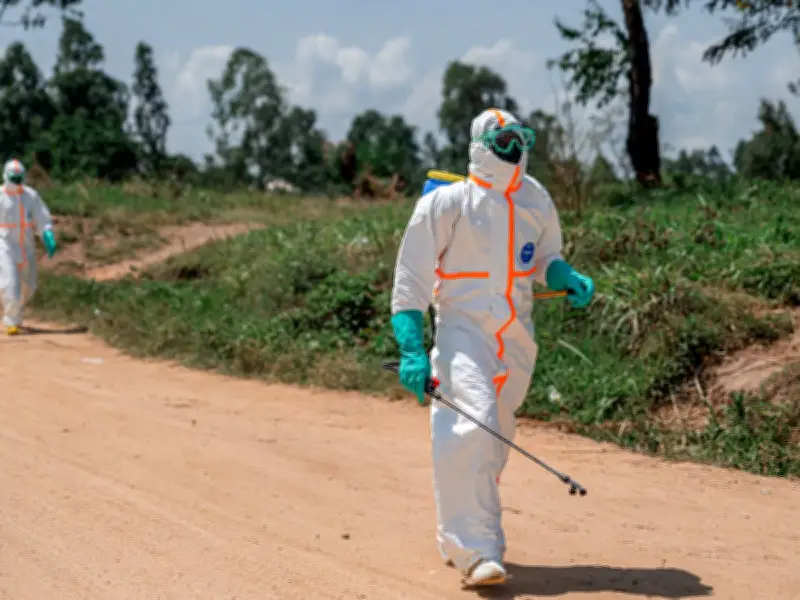
Oxfam has warned that the current Ebola outbreak could be considerably worse than official figures indicate. The humanitarian charity is raising concerns about severe supply shortages in communities at the epicentre of the outbreak in Africa, which may be hampering efforts to curb the spread of the potentially deadly virus.
Bundibugyo Strain Poses Unique Challenges
Compounding the situation further is the fact that this outbreak is caused by the Bundibugyo strain of the Ebola virus. It is among the rarer and more lethal strains of Ebola, with no approved vaccines or treatments available to combat it, and carrying a fatality rate of up to 40%. As a result, early diagnosis and supportive care, such as hydration, is crucial to improving survival prospects and limiting transmission. One fundamental requirement for this is access to clean water.
Field data gathered by Oxfam has revealed that access to safe water at the heart of the outbreak is severely restricted. The organisation maintains that water and sanitation infrastructure, which it describes as the frontline defence against the virus, is deteriorating rapidly.
Frontline Workers Lack Basic Equipment
Manel Rebordosa, Oxfam's Field Response Coordinator in Ituri province, the epicentre of the outbreak in the eastern Democratic Republic of Congo (DRC), said: 'Water - the absolute first line of defence in any public health emergency - is simply not available.'
'Miners working in the surrounding areas have no toilets and handwashing stations. Then they return home to communities already battling the virus. Clean water costs 2 dollars for 20 litres. For most families here, that is far beyond what they can afford.'
Bundibugyo virus spreads between people through direct contact with infected bodily fluids. These include blood, saliva, vomit, faeces or sweat, which must enter the body via mucous membranes such as the nose or mouth, or through broken skin. Avoiding direct contact with infected people and regularly washing hands, bedding, clothing and medical equipment are among the most strongly recommended steps to limit the transmission of Bundibugyo virus - all of which demands access to clean, safe water.
Mongbwalu Settlement at Epicentre
One of the settlements at the centre of this outbreak is Mongbwalu, housing nearly 140,000 residents, yet Oxfam figures showed that just 20% have access to clean water and only a quarter can access working sanitation and hygiene facilities. Oxfam has warned that, consequently, the actual scale of the outbreak may be 'larger than reported'. This also comes after the US Centers for Disease Control and Prevention confirmed it is the largest Bundibugyo outbreak on record.
In certain regions, including North Kivu, deaths are being recorded within communities before the person can even be confirmed as having contracted Ebola. Countless families find themselves caring for sick relatives at home, unknowingly putting more people at risk of infection.
Funding Cuts Deepen Crisis
Oxfam highlighted the 46% drop in humanitarian funding for the DRC since 2024, which has forced aid organisations to scale back their operations, reduce their response efforts and deepen the shortage of essential supplies and facilities. The charity has launched a DRC crisis appeal urging people to help bolster its response to the outbreak.
Global health authorities are examining whether existing Ebola treatments could provide protection against this particular strain, while the WHO has recommended prioritising certain experimental drugs for both the treatment and prevention of this specific variant of the virus.




