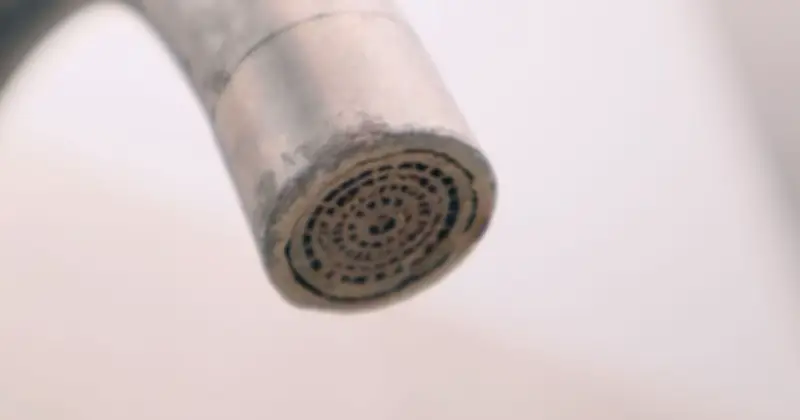
Limescale can be removed from taps using white vinegar, a natural remedy that avoids harsh chemicals. The method involves soaking the affected parts in vinegar, then scrubbing with a toothbrush.
Understanding limescale
Limescale is composed of calcium and magnesium left behind when water evaporates. Over time, it forms a hard, chalky crust wherever water sits, commonly on taps and sinks, but also in kettles, showerheads, and toilets.
Step-by-step removal process
Experts at Cillit Bang suggest using a soft cloth or sponge, white vinegar, a toothbrush, and a bowl. The vinegar acts as a powerful natural cleaner, while the toothbrush reaches hard-to-reach areas. After cleaning, keep the toothbrush separate to avoid accidental use for teeth.

To remove thick limescale, fill a bowl with white vinegar and soak the affected tap parts for at least 30 minutes, longer for stubborn build-up. Then scrub with a soft-bristled toothbrush, rinse with clean water, and dry with a clean cloth.
Is limescale dangerous?
BRITA, known for water filters, reassures that limescale is not harmful to health. It states that limescale is naturally found in most water supplies, particularly in hard water areas, and is made up of calcium and magnesium carbonate. Although it may look unsightly, it is not harmful to drink.
BRITA adds that British tap water is among the best in the world, with a quality rating of 99.96% according to Discover Water. This quality is regularly monitored by the Drinking Water Inspectorate (DWI) to ensure it is clean and safe to drink.