
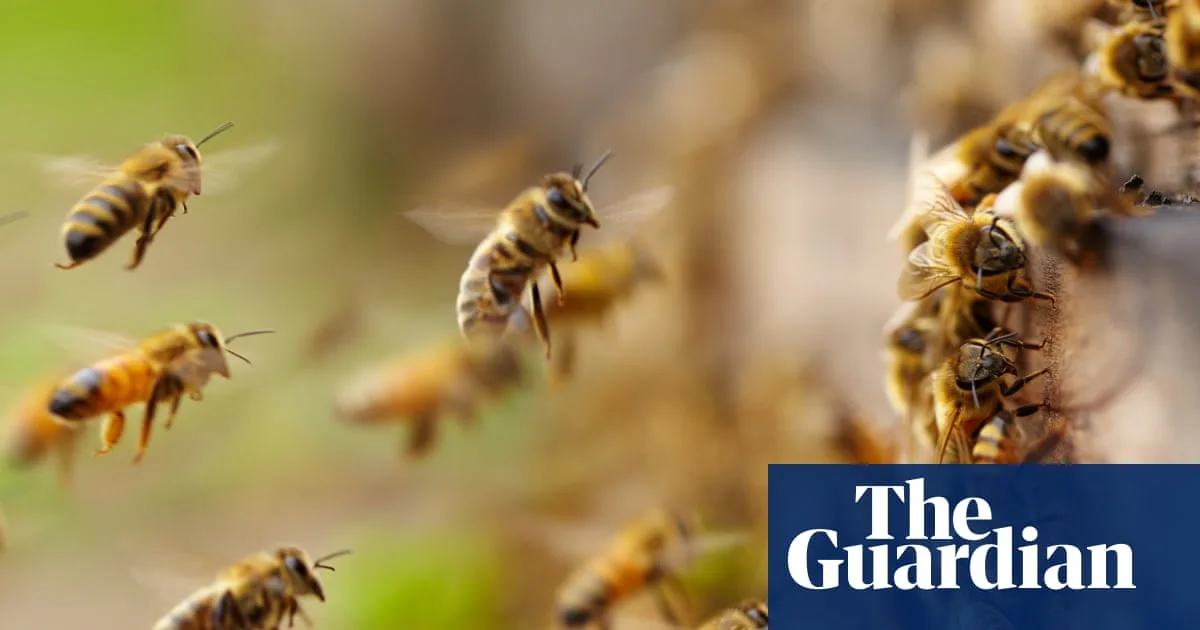
Beekeepers in North America are reporting an unusually early start to the 2026 bee swarm season, with swarms appearing 17 days earlier than last year. This follows a record-breaking heatwave and the largest honeybee die-off in US history last year, when more than 60% of colonies were lost.
According to a report by Swarmed, a network of over 10,000 beekeepers, the early swarming is linked to a warm winter that caused bees to become active sooner. Mateo Kaiser, Swarmed's managing director, said: 'We saw a very warm winter in the west this year and this is having an impact on bees. They are waking up earlier and building up their populations already in January and December.'
Bee swarming is a natural process where a colony splits due to overcrowding. However, early swarming can exacerbate competition with wild bees for limited nectar and pollen, putting additional pressure on already declining wild bee populations.
The early season follows severe colony losses attributed to the parasitic varroa mite, which is becoming resistant to chemical controls. Kaiser noted that warmer winters may disrupt the natural pause in egg-laying, allowing mites to reproduce year-round and weakening hives further.
Noah Wilson-Rich, founder of the Urban Bee Lab, added that earlier springs are causing flowers to bloom sooner, pushing bees to mature and swarm earlier. 'They are hitting their fertility point much sooner in a way that matches those floral patterns,' he said.
Experts say beekeepers must adapt management practices to shifting seasons, as bees are vital for pollinating crops worth around $15bn annually in the US. The early swarming raises new questions about how honeybees are responding to the climate crisis.




