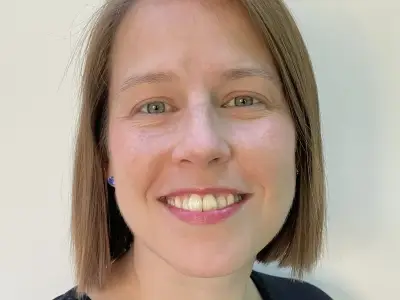
Dr Amir Khan, a GP and author, has described life expectancy disparities across the UK as a “national crisis” after analysis showed people in affluent areas like Marylebone and Berkhamsted can live up to 18 years longer than those in poorer areas such as Blackpool and Glasgow.
The figures are based on an ONS report on 'health state life expectancy estimates' for people born in England between 2019 and 2023. They were calculated using criteria including housing quality, air pollution, financial pressures and local living conditions, all believed to significantly influence how long someone lives.
Dr Khan's personal experience with health inequalities
Having grown up in a working-class inner-city area of Bradford, Dr Khan argued that “health (care) starts long before someone walks into a GP surgery.”

The TV doctor, who has teamed up with Health Equals, a campaigning coalition aiming to improve health equality opportunities across the UK, added: “I don't just see the impact of health inequalities in my work as a GP, I've lived them too.
“Today, I see these same challenges affecting many of my patients. I see people living in damp homes, struggling with financial insecurity or juggling multiple jobs, and I see the impact that can have on their health.”
'Shelf Life' installation highlights the gap
Dr Khan unveiled a “traffic-stopping” 'Shelf Life' installation in Old Spitalfields Market in East London to draw attention to the campaign group's work. The display featured oversized supermarket-style packaging showing reduced 'expiry dates' based on life expectancy figures from different areas, highlighting how some people effectively lose years off their life.
He said: “We're very good at treating illness, it is shaped by things like our homes, jobs, education and local environment. Your postcode shouldn't determine your shelf life. But right now, in the UK, it does.
“That's why these figures should be considered a national crisis, and why we need governments to commit to meaningful action to tackle the root causes of poor health and health inequalities.”
Life spans in more affluent areas like Marylebone and Berkhamsted are estimated to be up to 88 years of age, 18 years more than in areas like Glasgow and Grimsby, where 70 is the average.
Public opinion and call for legal change
In a poll of 2,000 adults commissioned by Health Equals, 95% agreed the difference in life expectancy across the UK is a problem. The most significant factors influencing lifespan, according to respondents, are education (65%), access to transport (57%) and access to affordable healthy food (92%).
Actor and TV presenter Will Mellor, who is supporting the campaign, added: “It's shocking to think that there's an 18-year gap in life expectancy between some communities across the UK.
“Having grown up on a council estate in Stockport, that's difficult to get my head around. Two people from different parts of the UK can be working hard, doing their best, and yet one could still live so many years fewer than the other.
“What really struck me about this campaign is seeing the data broken down to such a local level. It stops being just a set of statistics and becomes about the places we live, work and raise our families.
“I'd encourage everyone to check their own postcode on the Health Equals website because the results are genuinely eye-opening.”
Of those who took part in the study by OnePoll.com, only two in 10 think the government is doing enough to help reduce health inequalities between people in different postcodes.
Paul McDonald, director of Health Equals, which is calling on the new Prime Minister to change the law to make it a legal duty to create better health in every postal area, added: “Let's not forget that behind these figures are real people with families, loved ones, jobs, hobbies, and their lives are being cut short because of things out of their control - this should be considered a national crisis.
“This isn't just bad luck or down to individual choices, it's because too many people don't have access to the basics that help us stay healthy. And these inequalities don't just affect individuals, they hold back families, jobs and our economy, and put pressure on services like the NHS.

“Our health should be a national priority, and change is possible. We are calling for a change in the law to make improving health and tackling inequalities a legal duty for this and future governments. If Andy Burnham is serious about creating good growth in every British postcode, this will be one of his first priorities in Number 10.”