
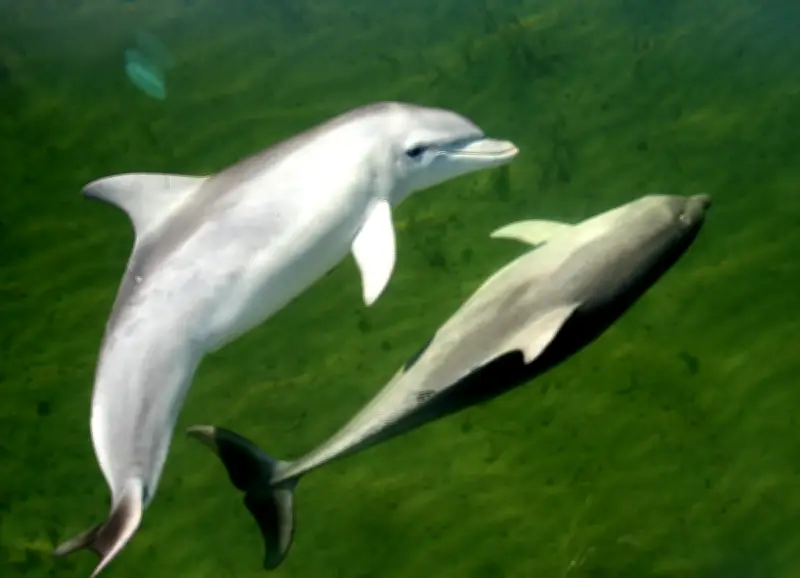
Dolphin deaths on South Australian beaches spiked dramatically in 2025, reaching the highest levels in 12 years, according to long-term data. The surge is linked to a devastating algal bloom that decimated marine food sources, particularly southern calamari.
Record Mortalities in Gulf St Vincent
At least 70 carcasses of common and bottlenose dolphins were found across South Australia in 2025, with a further 20 reported in the first five months of 2026, including the recent death of a popular Port River dolphin known as Zoom. Many of those discovered in Gulf St Vincent, a large marine zone west of Adelaide heavily impacted by the bloom, were severely emaciated.
Dr Catherine Kemper, former curator of mammals at the South Australian Museum, said dolphin mortalities in the gulf in 2025 were the highest since 2013, when dozens of animals were affected by morbillivirus. “We suspect strongly that for common dolphins the underlying cause was a food shortage,” Kemper said, “because one of their major prey is southern calamari, and southern calamari populations were just decimated in Gulf St Vincent during the algal bloom.”
Algal Bloom and Marine Heatwave
The devastating bloom of Karenia cristata algae began in March 2025, along with a concurrent marine heatwave affecting southern Australia since September 2024. The bloom has been linked to hundreds of marine species deaths. Citizen scientists and government staff have recorded dead dolphins since the bloom started.
Kemper, working with dolphin researcher Dr Mike Bossley, analysed reports together with museum data from 2001 to 2024 and dolphin postmortems commissioned by the state government. They presented the results at the Australian Mammal Society and Australasian Bat Society conference on Thursday.
Emaciation and Food Shortage
While published postmortems did not indicate direct effects of algal toxins, many dolphins were emaciated, Kemper said, which could be linked to the bloom’s effect on their food sources. Government research showed southern calamari populations were 80% below baseline levels in Gulf St Vincent and Spencer Gulf.
“Dolphins get hit by boats, get tangled up in fishing gear, get attacked by sharks,” Bossley said, but many in 2025 were very skinny, suggesting a lack of prey, particularly squid for common dolphins. “We know that the algal bloom really hit squid populations very hard. It seems likely that most of the increase in deaths can be attributed to a reduction in food availability.” The marine heatwave may have been an additional stressor, he added.
Call for Systematic Postmortems
Kemper noted that the 2023 disbanding of a decades-long program for marine mammal postmortems at the SA Museum hampered analysis of the bloom’s effect on cetaceans. She and Bossley have called for systematic postmortems to be reinstated.
A spokesperson for SA’s Department for Environment and Water said disruption to marine food chains was potentially a contributing factor to increased dolphin deaths. “While dolphins do not have gills and are therefore not directly affected by the algal bloom in the same way as fish, experts believe that some marine wildlife may have been affected by disruption to marine food chains and the effects of algal biotoxins,” the spokesperson said. “Findings of weight loss suggest indirect effects of the algal bloom on the animal’s food sources as a cause of illness or death.”
Chronic weight loss has been found in many postmortems for animals tested since the bloom arrived, including dolphins, seals, birds, little penguins and turtles.




