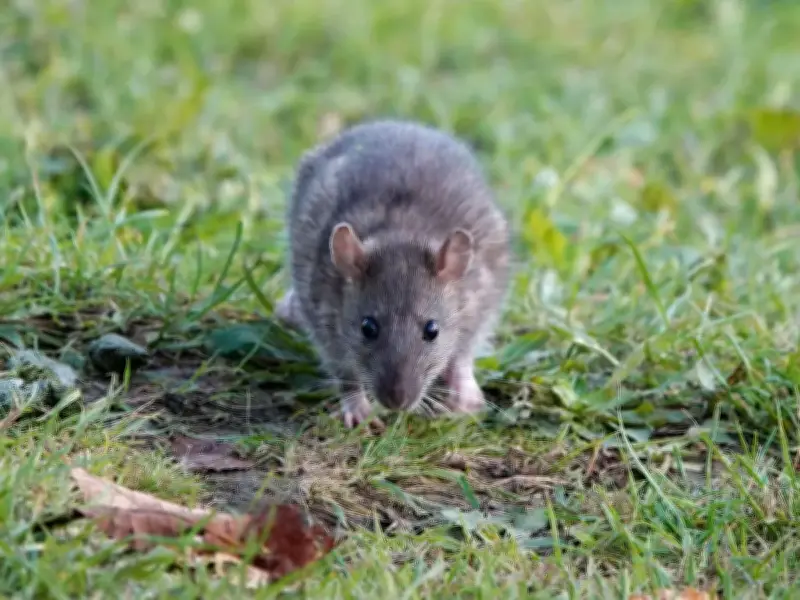
Rat activity reaches its height between September and November across the UK, as the breeding season draws to an end and rats start to scuttle indoors seeking food and warmth due to the autumn cold. Gardens rank among the most appealing locations for these disease-carrying rodents to locate both sustenance and refuge, rendering them a prime destination for rats. The more wildlife-friendly your garden happens to be, the greater your likelihood of attracting rats and mice to your outdoor area.
Fortunately, there are several natural rat deterrents that can be readily prepared at home which prove highly effective against these pests invading your cherished garden.
Signs of rats in your garden
If you're searching for clear indicators of whether rats are causing problems in your garden, it's essential to spot a few key things. Since they are nocturnal animals, you may not spot rats and mice openly running around your garden during daylight hours, but they will probably emerge after dark.

If you see bird food being eaten overnight, that's a significant sign you may be facing a rat infestation. Furthermore, another indication these unwelcome rodents have infiltrated your treasured garden are their 'runs'. 'Runs' are channels of exposed earth stretching up to 10cms in width, and are most commonly found leading from sheltered spots in your garden towards bird tables or feeder poles.
Another reliable method of confirming whether your garden is harbouring a rat is by locating their burrows - circular openings typically measuring between 6 to 9 centimeters in diameter. Finally, if you notice small clusters of smooth, cylindrical droppings, generally around 5 millimetres wide and 15 millimetres long, it's highly probable that rats are present on your property.
Homemade £3 spray to repel rats
While commercially available rat repellent sprays are efficient at deterring these unhygienic rodents, they come at a considerable price, often costing upwards of £10 to £15 or more per bottle. You may also be reluctant to routinely apply harsh chemicals throughout your garden.
Fortunately, there's a remedy to both these concerns at a mere fraction of the expense. Specialists at Ark Wildlife recommend creating your own homemade rat repellent spray to discourage rats and mice from gardens, and it costs just under £3 to produce. All that's required is some ground black pepper, cayenne pepper and chilli flakes.
55g of Stamford Street Co's Ground Black Pepper is available for just 87p at Sainsbury's, while a 40g bottle of Cayenne Chilli Pepper and a 28g bottle of Chilli Flakes are both priced at £1 each at Asda. This brings the total outlay for your rat-repelling homemade spray to approximately £2.87.
Wildlife food experts at Ark Wildlife suggest: "Try mixing ground black pepper, cayenne pepper and chilli flakes with water, and simmer on a stove for 15-minutes to infuse the spices into the water. You'll smell when it's ready." They continue: "Allow it to cool and then add several drops of essential oils such as peppermint, citronella and/or eucalyptus. Allow all the ingredients to steep in an airtight container and then spray freely on any areas you believe rats are visiting. Birds and hedgehogs will not be harmed, while rats will detest and avoid the smell."
It's advisable to take care when applying this chilli-based rat deterrent mixture around properties with youngsters and pets, as it can potentially cause discomfort to them as well.
Other natural deterrents
And this straightforward homemade spray isn't the sole natural solution for dealing with rats. The specialists also suggest scattering chilli or pepper around their pathways or burrow entrances in outdoor spaces. Growing pungent plants such as mint, onion, and garlic can also demonstrate effectiveness in combating rats, while saturating cotton wool balls in potent essential oils (consider eucalyptus, clove, and citronella), bleach or even vinegar and then pushing these as deeply into their burrows as feasible is consistently regarded as a successful approach.
Odour-based deterrents work particularly well against rats as they have a highly developed sense of smell, due to their limited vision. Rats possess a highly developed sense of smell and there are certain powerful odours they steer clear of.

These opportunist carnivores are drawn to an extensive range of items, including bird seed, eggs, nuts, fruit, meat, pet food, and domestic food waste, so taking extra precautions to ensure these aren't left accessible in gardens is absolutely crucial, otherwise your outdoor area will provide these unwelcome vermin with endless feeding possibilities.