
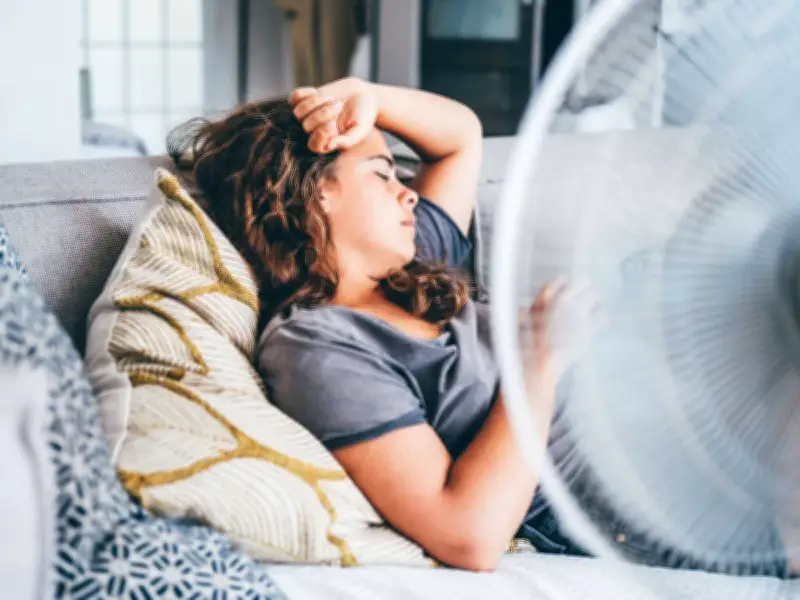
With a four-day amber weather warning for extreme heat in force from today until Thursday, the UK is experiencing scorching temperatures. British Gas is offering practical advice to help households stay comfortable, including a simple 'natural cooling' trick that is remarkably effective.
Peter Knowles, Service and Repair Engineer at British Gas, explains: 'We all know how frustrating it is when our homes are hot and stuffy. The good news is that there are some practical steps that households can take to help keep inside temperatures down during the summer months.'
Create Natural Cooling with a Damp Sheet
Those searching for budget-friendly ways to cool their homes need look no further, as this 'natural cooling' method makes a significant difference without breaking the bank. The best part is that the air coming into your home will feel cooler straight away.
The ingenious heatwave hack is simple: 'Hanging a damp sheet in front of an open window during evening hours will help to cool incoming air naturally,' says Knowles. He adds that for south and west-facing windows that catch afternoon sun, reflective window film can reduce heat and glare.
Knowles shares additional straightforward cooling tricks: 'Things like doing your washing in the evening, keeping windows closed during the middle of the day, or putting your fans on the floor are all small changes that can make a real difference.'
Switch to Cooler Lighting
Traditional light bulbs generate substantial amounts of heat. A 60-watt incandescent bulb gives off roughly 50 watts of heat into a room, while an LED with comparable brightness releases just 1-2 watts. Smart lightbulbs controlled via a smart home app are also a brilliant alternative to conventional high heat-producing bulbs.
Unplug Heat-Generating Devices
Knowles says: 'Chargers, laptops and other devices left plugged in release ambient heat even when not actively in use. During a heatwave, multiple devices can contribute to that stuffy indoor feeling, so unplugging what you're not using will help keep rooms that bit cooler.'
Adjust Batch Cooking and Washing Schedules
Operating ovens, hobs, tumble dryers, and washing machines during the coolest parts of the day prevents adding extra heat when temperatures peak. Knowles advises: 'Batch cook early morning or late evening, air-dry laundry outdoors where possible, and embrace lighter meals that don't require cooking during the hottest hours.'
Help Your Fridge Run Smoothly
Knowles explains: 'When it's hot outside, your fridge works harder and generates more heat in your kitchen.' His guidance: 'Checking the thermostat is set correctly, keeping the coils at the back clean and dust-free, and defrosting regularly will help it run more efficiently, and in turn produce less excess heat.'
Keep Windows Closed During the Day
During daylight hours, keep windows shut to prevent warm air from entering your home. Light-coloured curtains or blinds made from thicker fabrics can effectively block heat when kept drawn.
Fan Positioning Matters
Knowles states: 'Place fans at floor level to circulate cooler air rather than pushing warm air around at head height. In the evening, try pointing a fan out of the window to push hot air out. Opening windows at night also creates natural ventilation without needing fans running constantly.'
Adapt Living Spaces to the Heat
Draping lightweight, breathable cotton or linen throws over leather sofas can significantly boost comfort levels during warmer spells. Where possible, moving activities outside avoids generating unnecessary heat indoors.




