
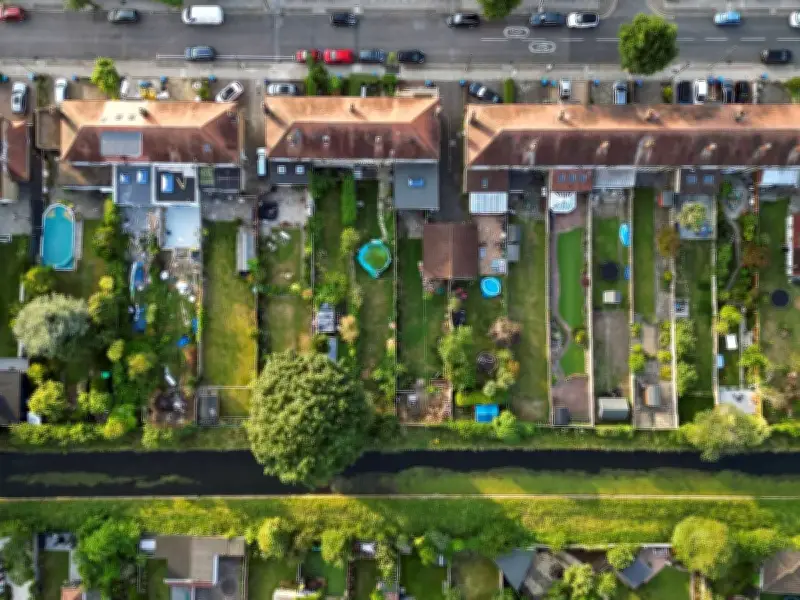
New Freedom of Information data reveals that disputes concerning hedges, overgrown gardens and neglected outdoor spaces rose by 13% last year, and Brits have had enough.
Garden and outdoor living specialists Vonhaus carried out research indicating that nine councils in England are able to supply comparable annual data, recording 521 garden-related complaints in 2024, climbing to 591 the following year.
Meanwhile, Bristol alone logged 425 complaints between January 2024 and April 2026, 424 of which related to overgrown and neglected gardens.
Key trigger points to avoid
It appears that garden boundaries are amongst the most prevalent sources of neighbourly disputes, with overgrown gardens being the primary cause. What frequently begins as an untidy hedge can quickly escalate into a serious disagreement over property rights and ownership.
There are several trigger points you can sidestep to ensure you're not unwittingly aggravating your neighbours, and it largely comes down to basic garden upkeep. Poorly maintained garden borders, particularly those directly separating your property from your neighbours', are the key area to monitor.
This involves maintaining any hedges that are growing too tall and blocking sunlight from reaching the space. Additionally, shrubs or climbers may be pushing through fences, and tree branches could be overhanging into neighbouring gardens.
Managing invasive plants
There are also plants like brambles, ivy or bamboo that might be spreading beyond the boundary line. Certain plants can prove more difficult to manage and control, but it's advisable to monitor them regularly to prevent any encroachment into someone else's property.
Laura Bradbury, Head of Ecommerce at Vonhaus, explains: "Gardens are there to be enjoyed, and a little regular maintenance can help keep them pleasant for both homeowners and their neighbours.
"Trimming hedges little and often, cutting back plants before they spread across boundaries and clearing away garden waste as you work can prevent overgrowth from becoming a much bigger job later. It can also help hedges stay neat and healthy without needing a severe cutback.
"If a hedge sits along a shared boundary, it is always helpful to have a quick conversation before carrying out any work. Agreeing a suitable height and when it will be trimmed makes ongoing maintenance much easier and helps keep things positive between neighbours."
Your rights and legal limits
If your neighbour's garden is overhanging onto your land, there are steps you can take, though there are several important points to bear in mind. Under UK common law, property owners generally have the right to trim back any vegetation that extends onto their property, but only as far as the boundary line.
The moment you cut beyond that boundary without consent, you could be trespassing on their land, so there are several crucial factors to consider.
Any trimmings are technically considered to belong to the plant's owner and should be returned to them, even if they refuse them. Additionally, you must ensure you don't enter their garden to undertake any cutting without their consent.
With regards to trees, they are often subject to protection under local planning regulations, so you need to obtain the relevant information before causing any harm to them.




