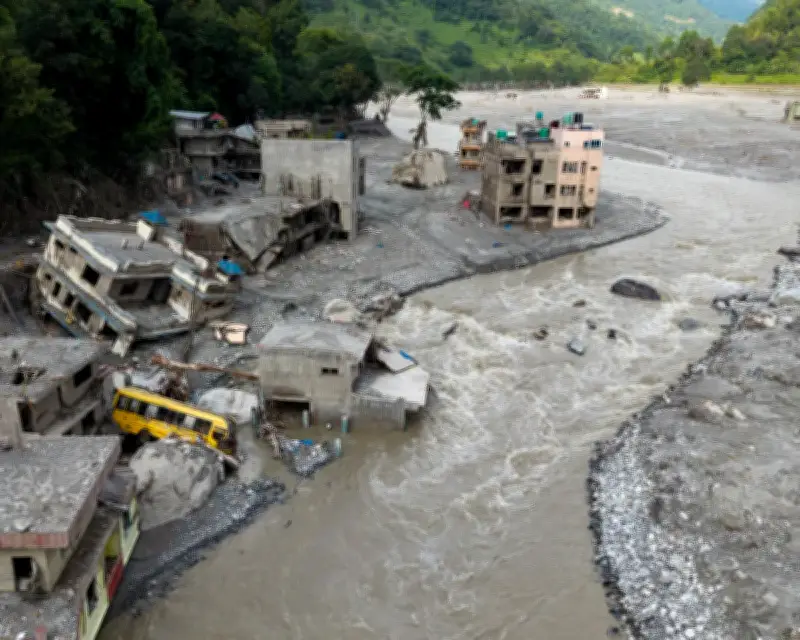
Deadly floods have struck Nepal, India, and the Caribbean, underscoring the accelerating impacts of the climate crisis. In Nepal, monsoon rains triggered landslides and flash floods that killed dozens and displaced thousands. In India, heavy downpours overwhelmed drainage systems in major cities, causing widespread inundation. Meanwhile, Caribbean islands faced storm surges and torrential rain from a tropical system.
Scientists Point to Climate Link
Climate scientists have long warned that warmer air holds more moisture, leading to more intense rainfall events. The recent floods fit this pattern, with several locations recording their highest rainfall in decades. Human-caused greenhouse gas emissions are the primary driver of rising global temperatures, and their effects are now visible in extreme weather across multiple continents.
Impacts on Vulnerable Communities
The floods have devastated vulnerable communities, destroying homes, crops, and infrastructure. In Nepal, remote mountain villages were cut off by landslides, while in India, urban poor in informal settlements faced the brunt of the flooding. Caribbean nations, already recovering from previous storms, now face additional recovery costs.

Call for Adaptation and Mitigation
The events highlight the urgent need for both adaptation and mitigation. Governments and international bodies are being urged to invest in flood defenses, early warning systems, and sustainable land management. At the same time, reducing emissions remains critical to preventing further escalation of such disasters.