New research has issued a stark warning that the climate crisis could trigger a global financial crash as temperatures rise beyond 2°C, with governments and investors relying on economic models that fail to account for the true scale and severity of potential damage.
Flawed Models Underestimate Climate Threats
The analysis, led by the University of Exeter in partnership with think tank Carbon Tracker, reveals that governments and financial institutions are dangerously underestimating climate threats because they depend on models assuming climate impacts will be gradual rather than sudden and catastrophic.
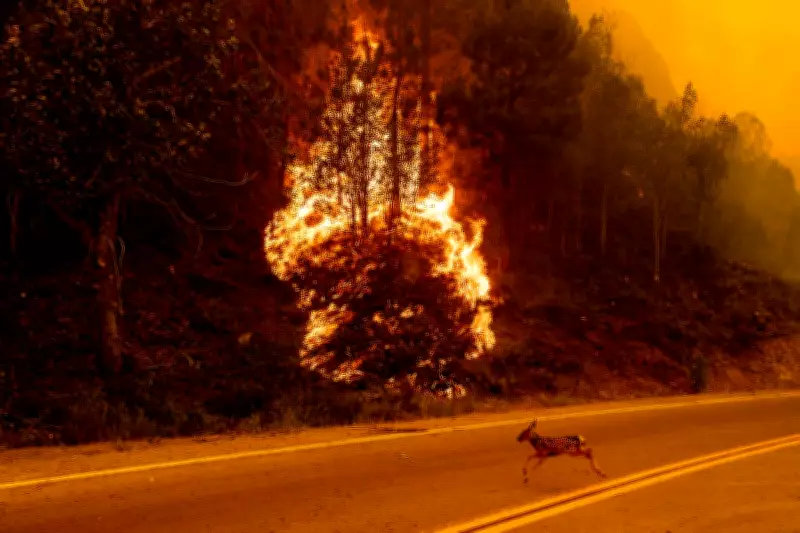
Researchers warn that as global heating increases, climate damage is more likely to arrive through extreme weather events, cascading disruptions, and tipping points rather than through slow, manageable changes to economic growth. These critical risks are largely absent from the tools currently used to guide public policy and investment decisions.

Beyond the 2°C Threshold
The research draws on expert judgement from more than 60 climate scientists across 12 countries and concludes that beyond 2°C of warming – the threshold established by the Paris Agreement – climate damage is likely to become structural and compounding, disrupting multiple sectors simultaneously and threatening the fundamental conditions needed for sustainable economic growth.
"Beyond 2°C, we're not dealing with manageable economic adjustments," said Jesse Abrams, the report's lead author and a senior impact fellow at the University of Exeter. "The climate scientists we surveyed were unambiguous: current economic models systematically underestimate climate damages because they can't capture what matters most – the cascading failures, threshold effects, and compounding shocks that define climate risk in a warmer world."
How Economic Models Miss the Mark
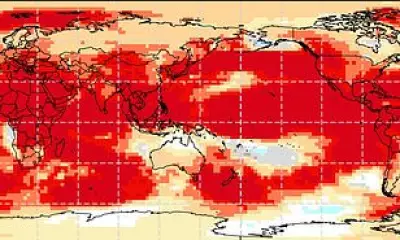
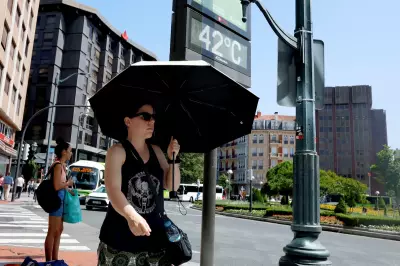
Most economic modelling links climate damage to changes in global average temperatures, but researchers argue this approach fundamentally misses how climate change is actually experienced through local and regional extremes such as heatwaves, floods, and droughts – events that drive the majority of economic and financial disruption.
The report also warns that commonly used economic measures like gross domestic product can mask the true cost of climate damage. GDP can appear to rise after disasters due to reconstruction spending, even as deaths, ill health, inequality, ecosystem loss, and social disruption increase dramatically. This creates a dangerous false sense of resilience among policymakers and investors.
Increasing Uncertainty and Tipping Points
As temperatures rise, uncertainty increases sharply, according to the researchers. While models continue to produce precise-looking estimates, tipping points and extreme risks become more likely, undermining the fundamental assumption of steady growth that underpins many economic forecasts.
"For financial institutions and policymakers relying on these models, this isn't a technical problem – it's a fundamental misreading of the risks we face," Abrams explained, adding that current models assume "the future will behave like the past, even as we push the climate system into uncharted territory."
Widespread Complacency and Systemic Vulnerability
Mark Campanale, founder and chief executive of Carbon Tracker, stated that flawed modelling has encouraged dangerous complacency. "The net result of flawed economic advice is widespread complacency amongst investors and policy makers," he said. "Until the gap between scientists and economists' expectations of future climate damages is closed, financial institutions will continue to chronically under-price climate risks."
The report urges regulators and central banks to shift focus from aiming for precise forecasts to protecting the financial system from destabilising outcomes. It calls for greater emphasis on extreme scenarios, compounding risks, and systemic vulnerability assessments.
Investment Portfolios at Risk
For long-term investors, the research challenges the conventional wisdom that climate risk can be managed through diversification alone, warning that portfolios can appear stable on paper while exposure to physical disruption continues to rise substantially.

Laurie Laybourn, executive director of the Strategic Climate Risks Initiative and a board member at Carbon Tracker, emphasised that government action has not kept pace with reality. "We are currently living through a paradigm shift in the speed, scale, and severity of risks driven by the climate-nature crisis," she warned, adding that many regulations remain "dangerously out of touch with reality."
Urgent Action Required
The researchers conclude that governments should not wait for perfect models before taking decisive action, warning that delay risks locking in decisions based on assumptions that no longer hold as the world moves closer to higher levels of warming.
The findings add to growing criticism of climate-economy models, which have previously been challenged by actuaries and scientists for consistently understating the scale of potential damage in a hotter world. The research represents a significant contribution to the urgent debate about how to properly assess and prepare for the financial implications of climate breakdown.