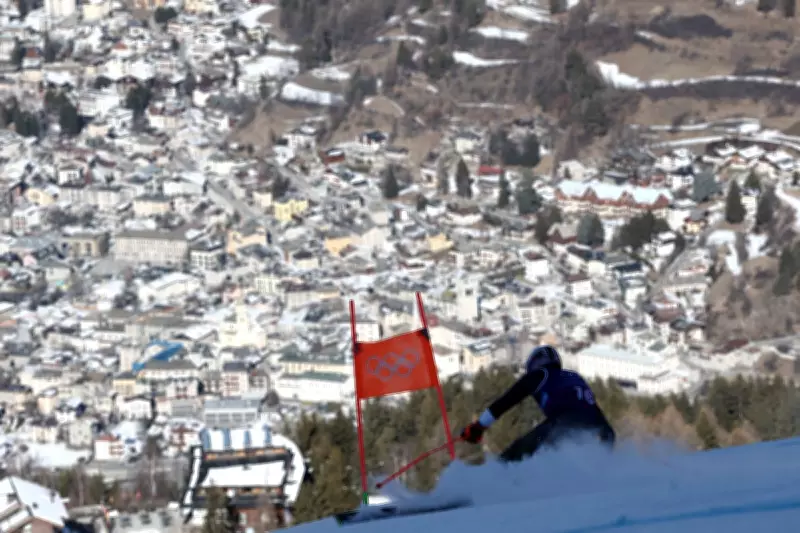
The iconic Olympic town of Cortina d'Ampezzo is experiencing an unseasonable warmth as the 2026 Winter Games unfold, starkly illustrating the profound impact of climate change on global winter sports. Spectators who arrived bundled in heavy coats and gloves found themselves shedding layers under unexpectedly mild February skies, with snow melting from rooftops and temperatures soaring.
A Warming World Disrupts Winter Traditions
"I definitely thought we'd be wearing all the layers," remarked Jay Tucker, a visitor from Virginia who had prepared with hand warmers and heated socks for Team USA events. "I don't even have gloves on." This sentiment echoes across the venue, where the traditional winter atmosphere is being reshaped by climatic shifts.
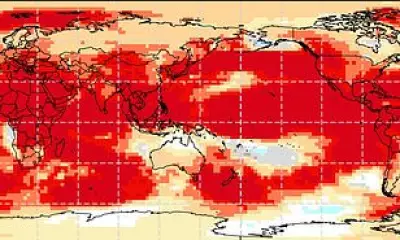
Shel Winkley, a meteorologist at Climate Central, explains that the timing of winter, snowfall patterns, and temperature reliability are all becoming less predictable due to Earth's record warming rates. This poses a significant and growing challenge for winter sports organisers worldwide.

Olympic Committee Considers Calendar Changes
The International Olympic Committee has responded to these challenges by announcing potential changes to future Winter Games schedules. Last week, they revealed that rising temperatures could force them to move the start date from February to January for upcoming editions.
While Cortina's 2026 Games opened with proper wintry conditions and heavy snowfall, Sunday afternoon temperatures reached approximately 40 degrees Fahrenheit (4.5 degrees Celsius), feeling even warmer in direct sunlight. Winkley notes that such February warmth in Cortina is now at least three times more likely due to climate change.
Historical data reveals the dramatic shift: February temperatures in Cortina have climbed 6.4 degrees Fahrenheit (3.6 degrees Celsius) since the town first hosted the Winter Games seventy years ago.
Complex Weather Management Across Spread-Out Venues
The Milan-Cortina Games present unique logistical challenges as the most geographically dispersed Winter Olympics in history. Venues span localities with dramatically different weather conditions, sometimes separated by mere kilometres but distinct climatic zones.
For instance, Bormio and Livigno are less than an hour apart by car but divided by a high mountain pass that creates completely different weather patterns. This dispersion requires sophisticated monitoring and adaptation strategies.
Scientific Snow Monitoring and Weather Preparedness
The organising committee is collaborating closely with four regional and provincial public weather agencies to manage these complexities. They have positioned weather sensors at strategic competition points, including near ski jumping ramps, along Alpine skiing tracks, and at biathlon shooting ranges.
Where automated stations cannot capture all necessary data, the committee employs observers—"scientists of the snow"—from partner agencies to collect additional information. "The hope is for clear skies, light winds, and low temperatures on race days to ensure good visibility and preserve the snow layer," explains Matteo Pasotti, a weather specialist for the organising committee.
However, the reality differs markedly. "It's actually pretty warm out. We expected it to be a lot colder," said Karli Poliziani, an American resident of Milan visiting Cortina with her father, who considered venturing out in just a sweatshirt. Forecasts indicate more days with above-average temperatures ahead for Olympic competitions.
Competition Safety and Fairness Under Threat
Weather plays a critical role in both the smooth operation and safety of winter sports competitions. Filippo Bazzanella, head of sport services and planning for the organising committee, emphasises that high temperatures can degrade the snow layer on Alpine skiing courses, while visibility remains essential for all events.
Humidity and elevated temperatures also threaten ice quality at indoor arenas and sliding centres. Bazzanella identifies visibility and wind as the two factors most likely to disrupt competition schedules, with wind posing particular safety and fairness concerns.

In biathlon events, for example, slight wind variations can disrupt athletes' precise shooting accuracy, creating competitive imbalances. These conditions require constant monitoring and potential schedule adjustments.
Athletes Adapt to Unpredictable Conditions
American alpine skier Jackie Wiles acknowledges the challenges posed by this year's unpredictable weather patterns. "I feel like we're pretty good about keeping our heads in the game because a lot of people are going to get taken out by that immediately," she said at a recent team press conference.
Wiles emphasises the necessary mindset adaptation: "Having that mindset of: it's going to be what it's going to be, and we still have to go out there and fight like hell regardless." This resilience reflects the broader adaptation required across winter sports as climate change continues to reshape competitive environments.
The Cortina Games serve as both celebration and warning—showcasing athletic excellence while highlighting the urgent need for climate adaptation in winter sports planning and execution. As temperatures continue their upward trajectory, the future of Winter Olympics may depend on innovative scheduling, advanced weather monitoring, and flexible competition formats.