
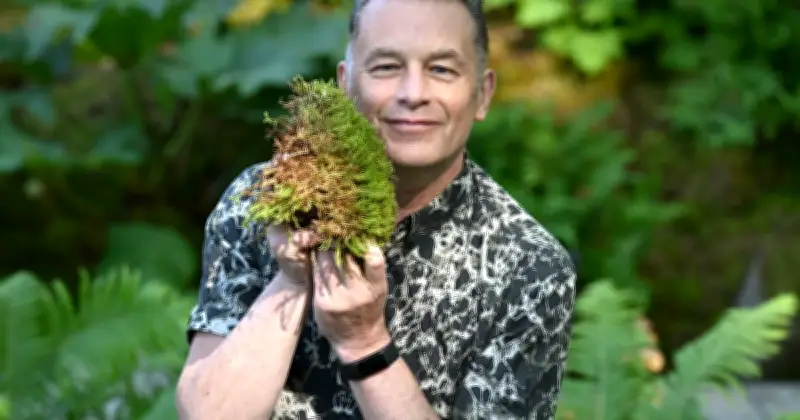
Environmentalist and BBC Springwatch presenter Chris Packham has issued urgent advice for gardeners to help protect wildlife during the ongoing UK heatwave. With temperatures exceeding 30°C in parts of the country, animals and insects such as birds, bees, and hedgehogs face risks of dehydration and death if they cannot find refuge or resources.
Provide Water to Prevent Dehydration
Dehydration is a major threat to wildlife in extreme heat. Packham recommends placing shallow bowls of fresh water in gardens, with pebbles at the bottom to allow insects to perch while drinking. He also suggests creating makeshift ponds: "If you have any amount of space, put a pond in your garden and keep it filled up. Even a washing-up bowl filled with water can help," he told The Big Issue.
Create Shade with Natural Refuges
To provide cool resting spots, gardeners can let grass and hedges grow long or allow piles of leaves to accumulate. These create small refuges for animals and insects. For a more structured approach, building a 'bug hotel' offers insects a place to thrive. Additionally, adding gaps or holes in fences allows hedgehogs to move freely and find shade.
Clean Bird Feeders Regularly
Birds struggle to find food on hot ground and rely on feeders. However, heat can cause food to rot quickly, making it inedible and potentially spreading diseases. Packham advises cleaning bird feeders once a week and removing any old or dirty food to prevent contamination.
Avoid BBQs to Reduce Fire Risks
Disposable barbecues and cigarette butts pose fire hazards that can destroy wildlife habitats. Packham urges gardeners to avoid using disposable BBQs and to dispose of smoking materials safely. Even a small spark can ignite a devastating fire, disrupting local ecosystems.
By implementing these four simple changes, gardeners can significantly support wildlife during the heatwave, helping creatures survive the extreme conditions.




