
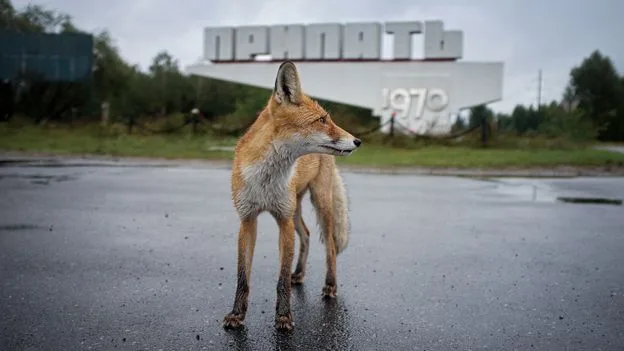
Forty years after the Chernobyl disaster, wildlife in the exclusion zone is thriving in unexpected ways, according to a new study. Researchers found that the area, evacuated after the 1986 reactor explosion, now hosts a greater diversity of species than some protected nature reserves.
Evolutionary biologist Pablo Burraco of the Doñana Biological Station led a study of tree frogs inside the zone. His team collected over 250 frogs and found that those living in areas with higher historical radiation levels were darker in colour. Burraco hypothesises that increased melanin may protect against radiation, though he stresses this remains unproven.
Critics, including biologist Timothy Mousseau of the University of South Carolina, argue the study's sampling was insufficient to confirm a link between colour and radiation. Burraco counters that the frogs were sampled from varied radiological exposures with similar habitats, and notes that radiation levels have changed since the accident.
Radiobiologist Carmel Mothersill of McMaster University described the study as methodologically sound. The findings add to a growing body of evidence that some species have adapted to the contaminated environment, while others, like swallows with tumours, show negative effects.




