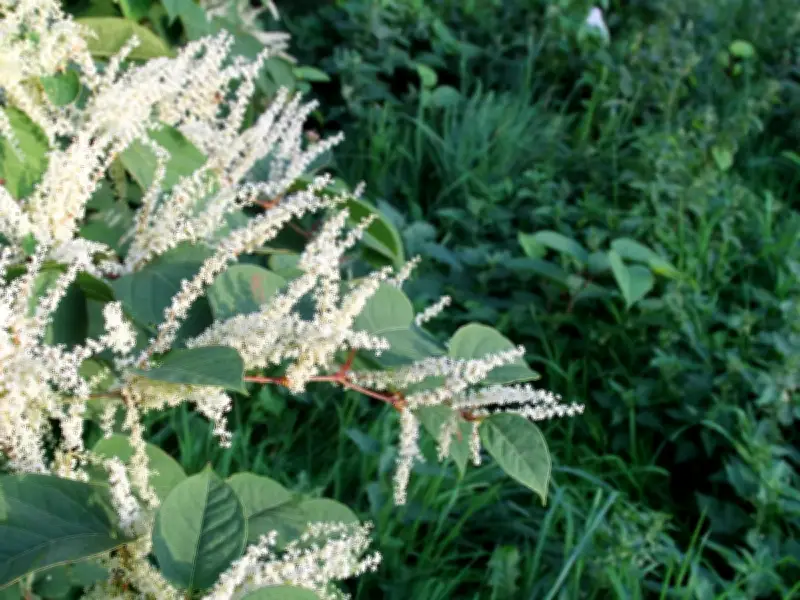
Japanese knotweed, one of the most destructive invasive plants in Britain, can slash a property's value and even stop prospective buyers from securing a mortgage. With August presenting the best window of the year to identify it, the Royal Horticultural Society (RHS) is calling on homeowners to inspect their gardens before September, while the plant is still easy to spot.
Why August Matters
Japanese knotweed is at its most visible during late summer, when its towering, bamboo-like stems and distinctive creamy white flowers make established growth far easier to identify. Once identified, however, it must be treated with extreme care – because this is a plant that plays by its own rules.
Notorious for its ability to regenerate from even the tiniest fragments of its underground rhizomes, Japanese knotweed can swiftly take over large sections of a garden. Worse still, rhizomes can lie dormant in the soil for years, meaning the problem can return long after gardeners believe they have dealt with it.

Attempts to dig it out without expert guidance can make things worse, spreading plant fragments to new areas and potentially extending the infestation. The RHS warns that even the smallest piece of rhizome or stem is enough to spark a new growth.
The Damage It Causes
While many people associate Japanese knotweed primarily with overgrown borders, the real threat extends well beyond the flower beds. The plant is classified as an invasive non-native species and listed under Schedule 9 of the Wildlife and Countryside Act 1981, reflecting the serious risk it poses to the wider environment.
According to the RHS, its aggressive rhizomes allow it to form dense patches that choke out native plants by competing for space, light, moisture and nutrients. It can also push through and exacerbate existing cracks and weaknesses in paving, paths and other hard surfaces – causing structural damage that is both costly and difficult to reverse.
For homeowners, the financial stakes are significant. The presence of Japanese knotweed on or near a property can reduce its value and, in some cases, make it very difficult to sell or remortgage until the problem has been professionally treated and certified.
How to Identify the Plant
Japanese knotweed can be recognised by its bamboo-like hollow stems, which feature leaves arranged in a distinctive zigzag pattern along the length of the stalk. In late summer, clusters of small creamy white flowers appear, making the plant particularly conspicuous right now.
The RHS, however, stresses that correct identification is absolutely crucial, as several other plants have a similar appearance. If in doubt, seek expert guidance before taking any action.
So What Should You Do?
The RHS is clear: if you suspect Japanese knotweed, do not attempt to deal with it yourself. The simplest and most effective course of action is to contact a professional company that specialises in Japanese knotweed removal.
Under no circumstances should the plant – or any part of it – be disposed of in home compost, council green-waste collections or household waste bins. Doing so risks spreading the plant further and could even carry legal implications, as Japanese knotweed is classified as controlled waste under UK law.
Gardeners are urged to inspect their borders, boundaries, and the areas surrounding sheds, fences and garden paths before September. Catching the problem early is by far the best way to prevent it from developing into something far more serious – and far more expensive.