
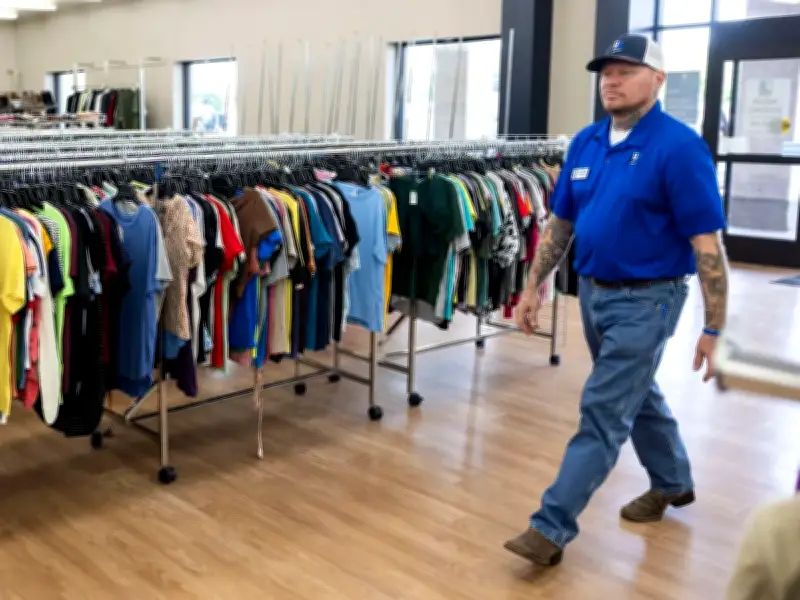
A charity shopper has expressed frustration after discovering a dedicated rack of Zara clothing in their local thrift store, with items priced at 60 per cent off the original tag. The Reddit user lamented that fast fashion brands like Zara and Shein are increasingly appearing in second-hand shops, which they feel undermines the purpose of thrifting.
Shopper's Disappointment
“I come to the thrift store to get away from fast fashion and unethical brands to try and shop more consciously, but I can’t escape it,” the user wrote. They noted racks full of Zara items, many with rips or defects, and even Zara jewellery locked away at nearly full price.
Other Reddit users echoed the sentiment, with one commenting: “Yeah, it’s frustrating. Thrifting used to mean finding well-made, unique pieces, but now it’s just flooded with disposable fast fashion. It’s wild to think that in a few decades, 'vintage' might just mean a Shein dress that somehow didn’t disintegrate.”
Mixed Reactions
However, some defended the presence of fast fashion in thrift stores. One user argued that buying such items second-hand is more ethical than letting them go to landfill, stating: “I would argue that purchasing a fast fashion brand like Zara from a second hand shop is far more ethical than letting them go to the landfill. The item was already made, and if it’s in a thrift store then Zara isn’t going to get a cut of it and gain incentive to make more.”
Another user shared personal experience, saying: “I've bought a lot of stuff in Zara and frankly it's not much worse than expensive brands. In fact I have some clothes that have lasted much longer than supposedly good brands.”
Environmental Impact
Fast fashion contributes to significant environmental issues. Earth.org reports that of the 100 billion clothing items produced annually, over 101 million tons are discarded in landfills. The UN Environment Programme notes that the fashion industry is responsible for about 10 per cent of global carbon emissions and uses around 79 billion cubic meters of water each year—enough to meet the needs of five million people.
Socially, fast fashion relies on low-wage labour in developing countries, often with poor working conditions. Zara and Shein have been approached for comment.




