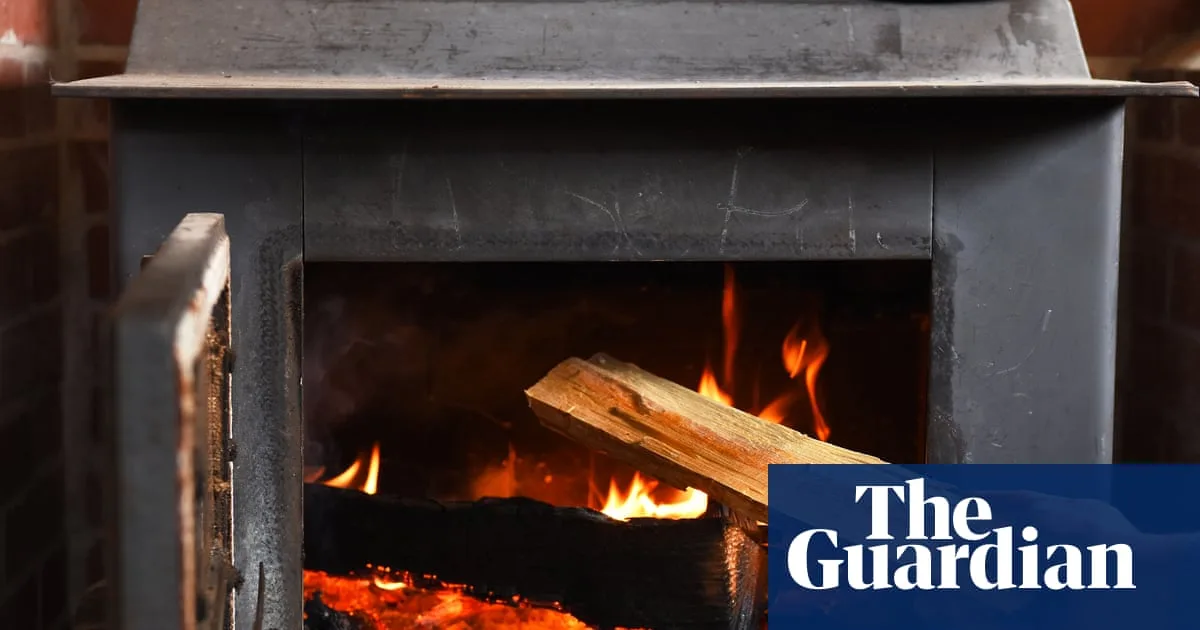
Just 24 fines for wood burning were issued in England in the year to August 2025, despite thousands of complaints, according to new data. Labour must fulfil its promise to introduce a clean air act, as more than 60 charities urge ministers to take action before the king's speech on Wednesday.
Charities Call for Action
Labour had previously held out the prospect of a clean air act while in opposition in 2023, but the plan did not make it into the final election manifesto, and the government has made no move to reinstate it. Jemima Hartshorn, founder and director of Mums for Lungs, stated: "Dirty air is the biggest environmental health risk in this country. Air pollution is costing us about £27bn a year and is linked to asthma, wheezing, cancer and dementia. The dirty air is harming us all, and it's damaging the economy too. Yet, we know how to solve this problem."
The call, backed by organisations with over 230,000 members, comes as leading pollution expert Stephen Holgate urged ministers to ban wood burning in urban areas. Holgate, special adviser to the Royal College of Physicians on air quality, told the British Medical Journal (BMJ) it was a "disgrace" that so few complaints resulted in enforcement. In the year from August 2024 to August 2025, at least 15,195 complaints were made against wood burning in England, but only 24 fines were issued.
Outdated Regulations
Current air regulations date back to the era when coal was the primary culprit behind dirty air. Holgate explained: "We know now that these particles [from wood burning] are at least as toxic, if not more toxic, than those coming out of coal. So, we have regulation now to stop this, but these regulations are never acted on. Yet we've had thousands of complaints about this issue." Hartshorn also called for the phaseout of wood-burning stoves and support for rural residents to transition to clean heating systems like heat pumps. She noted: "Unnecessary wood burning is increasing in this country," pointing to rising sales of wood burners in urban areas.
Lobbying Influence
The BMJ revealed that the Scottish government was lobbied by the Stove Industry Association (SIA) before abandoning plans to ban wood burners from new homes. The UK government also held eight meetings between the Department for Environment, Food and Rural Affairs (Defra) and SIA representatives from October 2021 to June 2024, while Conservative ministers met clean air campaigners only twice. Since Labour took office, Defra has held three meetings with the SIA and 14 with campaigners. A government consultation on wood burning earlier this year was deemed toothless by campaigners, as it ruled out any ban in favour of potential health warnings.
The Ministry of Housing, Communities and Local Government (MHCLG) refused to provide details of meetings with the stove industry under the Freedom of Information Act. Last month, MHCLG issued new guidance allowing wood-burning stoves in new housing, despite earlier indications that low-carbon heat pumps would be required. Hartshorn expressed shock at the lobbying and said: "I am devastated on behalf of all the children, hundreds of thousands of them, who are attending hospitals, struggling to breathe and scared – because our air is making them sick." She added: "This government committed to raising the healthiest generation of children ever. Well, this is the test: will they cut ties with the SIA and other industry lobbying bodies and finally do right by our children and public health?"
Industry Response
An SIA spokesperson said: "Our engagement with both the Scottish and UK governments has been conducted openly and in line with standard democratic processes followed by all sectors. We fully recognise the importance of protecting air quality and public health, and we support proportionate, evidence-based measures that deliver meaningful emission reductions." The spokesperson noted that their position supports the transition to modern, Ecodesign compliant stoves and best practices in fuel use. However, Ecodesign stoves, though an improvement, still emit air pollutants.
A government spokesperson stated: "Our new rules will reduce harms from domestic burning and we will continue to monitor pollution from this source to inform any future action." A Scottish government spokesperson added: "In amending these regulations, the Scottish government listened to concerns from rural and island communities about resilience in times of bad weather or power outages, as well as the wider use of bioenergy and peat. These changes addressed these concerns whilst retaining the spirit of the original legislation, which aims to eradicate polluting gas and oil boilers from new homes and buildings."






