Carmarthenshire Council cut its carbon emissions by 12% in 2025-26, the largest reduction since the Covid pandemic when services and travel were curtailed, according to a report presented to councillors.
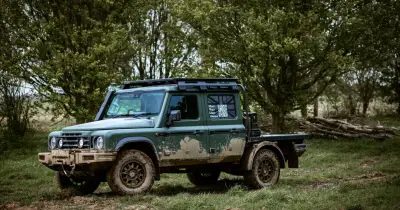
The authority aims to be net zero in carbon emissions by 2030, which involves replacing street lights and heating systems in council buildings with more environmentally-friendly ones, switching council vehicles to cleaner alternatives and installing solar panels to generate clean electricity.
Progress and challenges
Weather plays a part in the figures, as demand for heating tends to fall during mild winters like last year's. Cutting emissions from the council's large fleet of refuse lorries, vans and other vehicles remains a big challenge.
Overall, the council estimates it has cut emissions by 45% since 2016-17, the baseline year it measures from. A lot of work is still needed to reach the 2030 target.
Cost of reaching the target
A council report estimated that £39 million is needed every year to meet the 2030 target. The trade-off is lower ongoing energy bills, and the fact that boilers and council vehicles need replacing regardless of whether they are swapped for cleaner alternatives.
Councillor Aled Vaughan Owen, cabinet member for climate change, decarbonisation and sustainability, told a scrutiny meeting that significant progress was being made.
"Importantly this work is not just about carbon, it's helping to reduce energy costs, improving energy security, strengthening resilience to climate change and creating healthier environments for our residents and future generations," he said. Speeding up work to tackle stubborn fleet and business journey emissions, he added, was crucial.
Emissions breakdown and nature projects
The report on 2025-26 progress said carbon emissions from council buildings and street lights fell by 17% and 16% respectively, while fleet and business journey emissions crept up by 0.5% and 0.3%.
It said: "Increasing service demand, the limited availability of suitable low-carbon alternatives for some specialist vehicles, infrastructure requirements and financial constraints continue to present barriers to rapid decarbonisation."
A separate multi-agency report covering Carmarthenshire and Ceredigion said climate change was no longer a future risk but "a current and escalating challenge that we are already feeling the effects of", citing last summer's heatwaves and their associated crop yield impacts, as well as bouts of winter flooding.
Nature projects in Carmarthenshire in 2025-26 included planting 16,367 trees on council-owned land. The report said trees sequestered carbon over their lifetime, improved soil health and helped attract wildlife.
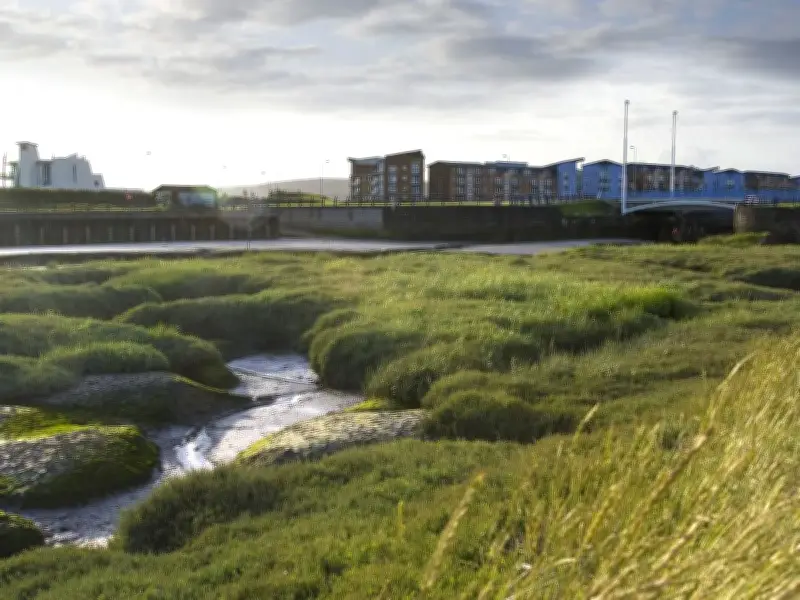
In addition, 200 tonnes of steel-making slag, which the report said was known to absorb carbon, were deployed at the Millennium Coastal Park to create an area of species-rich habitat. It was a compensation project linked to a planning application.
The place, sustainability and climate change scrutiny committee accepted the report, with Cllr Kevin Madge saying: "We are going in the right direction."